

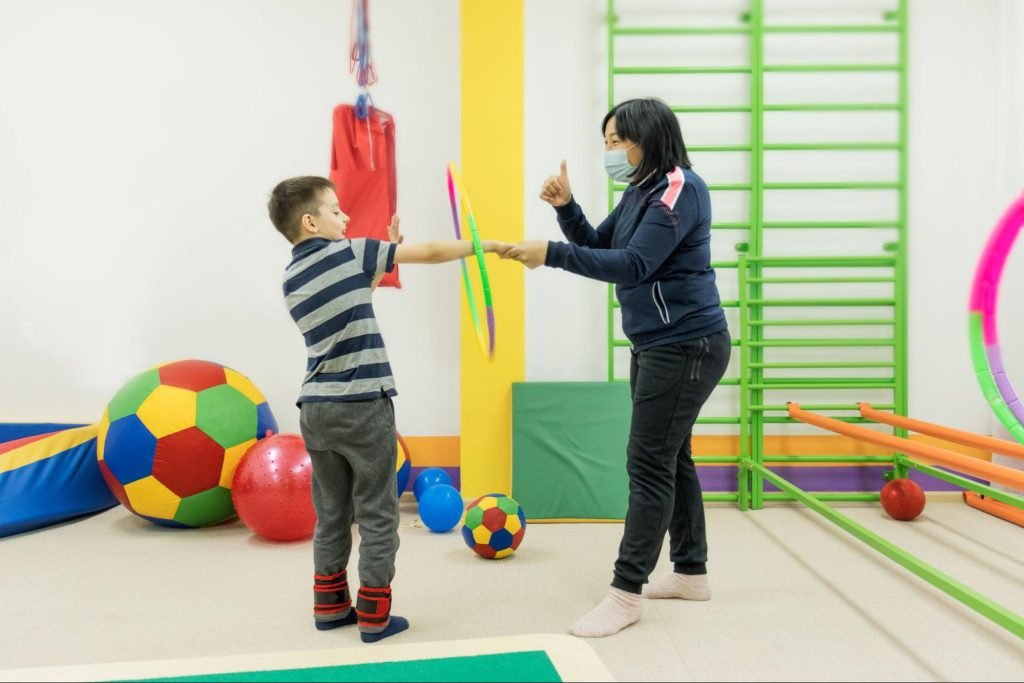
Some children struggle with things most of their peers do with ease. Tying shoes, holding a pencil, or sitting still may become daily challenges for parents or caregivers, and watching your child fall behind can feel frustrating and heartbreaking. Occupational therapy gives kids practical tools that improve their everyday lives without pressure or shame.
What is Occupational Therapy for Kids, and How Does it Work?
Occupational therapy (OT) helps kids learn the skills needed for daily life. It supports physical, emotional, and cognitive development. The focus is on making everyday tasks easier and more manageable for the child. Therapists work closely with families to find strategies for each child’s needs.
A Practical Approach to Everyday Challenges
Pediatric occupational therapy helps kids gain independence. It targets the tasks they need for home, school, and play. These include handwriting, eating, dressing, and using tools like scissors. The therapy focuses on improving how children interact with their environment. OT for kids looks different from adult therapy because it’s tailored to growth and learning.
The Role of Occupational Therapists in a Child’s Life
Occupational therapists guide children in mastering basic activities. They create goals based on the child’s age, ability, and development. These goals are met through fun and structured activities. Therapists often use games, toys, and movement to engage the child. Regular assessments help track progress and adjust plans as needed.
The Science Behind Occupational Therapy for Kids
Occupational therapy isn’t just hands-on—it’s brain-deep. Every task a child does during therapy helps rewire how their body and brain connect. Understanding the science makes OT feel less like guesswork and more like real progress:
Neuroplasticity and Why Early Help Matters
A child’s brain constantly changes as it grows. OT uses this window to build strong, lasting connections. This brain flexibility, called neuroplasticity, helps kids learn faster through repetition. Early therapy uses this natural process. That’s why starting young often leads to better long-term results.
How the Body and Brain Work Together
Motor skills rely on thinking and movement working in sync. OT challenges both systems at once to strengthen that link. For example, a climbing game may build balance and problem-solving skills together. These layered tasks support faster development and make therapy more engaging for the child.
How Occupational Therapy Helps Kids Grow
Growth is more than getting taller. For kids, real growth means building skills that make life easier. Occupational therapy offers structured help where kids fall short. It gives them tools to do what many others can naturally do. That support builds confidence and better behavior over time.
Development of Motor Skills
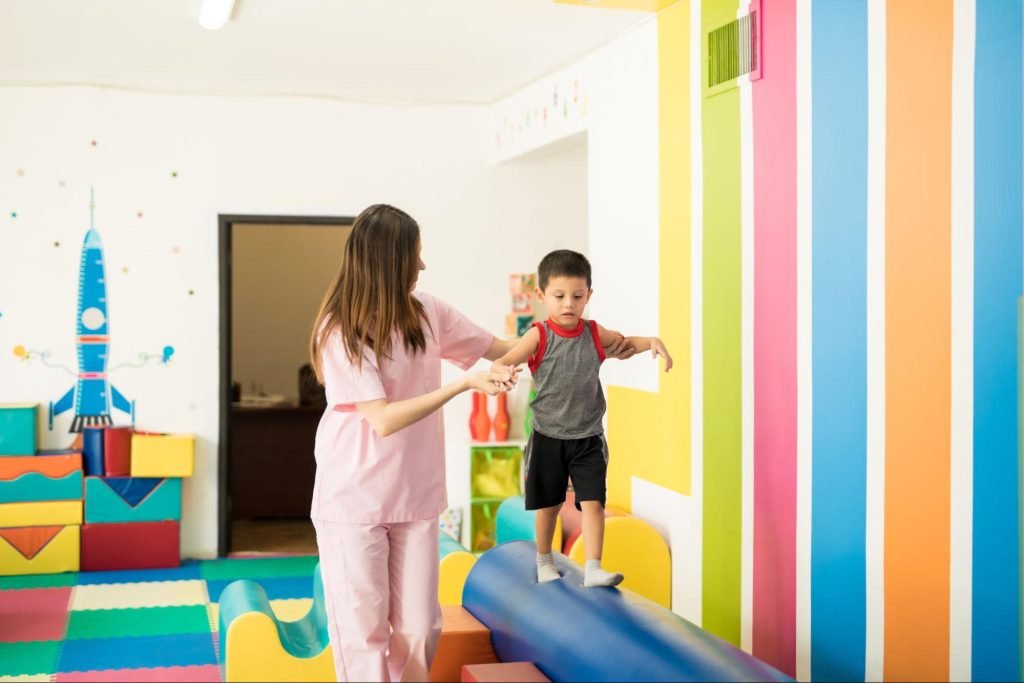
Fine and gross motor skills are key parts of a child’s development. Some kids may have trouble holding a crayon or running without tripping. OT helps improve balance, grip strength, and hand-eye coordination. Through repeated movement and practice, kids get stronger and more confident. These improvements carry into writing, dressing, and playing.
Supporting Sensory Processing
Sensory processing issues affect how a child reacts to sights, sounds, textures, and movement. Some kids might overreact to noise or avoid certain fabrics. Others may seek constant movement or rough play. OT creates structured sensory activities to help kids stay calm and focused. Over time, they learn how to manage their sensory needs better.
Building Independence in Daily Routines
Some kids find daily tasks like brushing their teeth or getting dressed challenging. OT helps them break these tasks into simple steps. Therapists use visuals, repetition, and tools like adaptive utensils or Velcro to make daily routines smoother and less stressful. This kind of progress helps kids feel more capable and in control.
How Occupational Therapy for Kids Builds Confidence
Occupational therapy isn’t just physical—it impacts a child’s mindset. When kids gain control over their actions, they also feel better inside. OT helps reduce daily stress and builds belief in their abilities.
Boosting Confidence Through Achievable Progress
Therapy sessions are built around small, reachable goals. When children reach them, they feel proud and more capable. OT teaches them how to tackle tasks step by step. Repeated success helps boost self-esteem over time. Kids learn that progress is possible, even when it’s hard.
Reducing Frustration and Meltdowns
Frustration builds up when a child can’t do what others can. OT makes tasks feel more manageable and more doable. Therapists also teach coping strategies like deep breathing or sensory breaks. These skills help reduce emotional outbursts and anxiety. Kids learn to handle stress without shutting down or acting out.
When Should a Child See an Occupational Therapist?
It’s not always obvious when a child needs extra help. Some delays may seem minor but grow more noticeable with age. Occupational therapy works best when started early. Identifying the signs helps families avoid long-term stress. OT is an innovative, proactive move—not a reaction to failure.
Early Signs Parents Shouldn’t Ignore
If a child avoids using their hands or can’t use silverware, that’s a red flag. Struggling with buttons, zippers, or sitting still may point to motor or sensory issues. Frequent meltdowns during daily routines can also signal trouble. Children may also tire quickly or avoid group play. These behaviors suggest that the child may benefit from occupational therapy.
Diagnoses Commonly Paired With OT
Many kids in OT have developmental delays, autism, or ADHD. Others have sensory processing disorders or learning disabilities. Children with birth injuries or trauma may also struggle with motor skills. OT is part of early intervention for many diagnoses. Even without a label, kids can benefit if daily tasks are too complex.
How Occupational Therapy for Kids Relates to Other Therapies
Occupational therapy often works best when paired with other services. Many children need support in more than one area of development, and coordinated care between therapists helps create a stronger foundation for learning and daily life.
Physical Therapy for Strength and Movement
While occupational therapy focuses on daily tasks, physical therapy targets strength, posture, and movement. Children who struggle with balance, walking, or coordination may benefit from both services. Physical therapists help improve large muscle control and mobility. When combined with OT, the results are often more complete and lasting. This partnership supports overall growth and physical freedom.
Speech Therapy for Communication Skills
Some children in OT also need help with speech and language. Speech therapy focuses on communication, feeding, and social interaction. If a child has trouble expressing needs, understanding instructions, or chewing safely, speech therapy can help. Working alongside occupational therapy for kids, speech therapy fills the gaps affecting learning and connection. Together, they allow the child to function and thrive across all areas of life.
How Parents Can Support Occupational Therapy for Kids
Occupational therapy doesn’t stop after the session ends. Parents play a huge role in keeping progress going. Small, repeatable actions at home can make treatment more effective.
Create an OT-Friendly Home Environment
You don’t need fancy tools to help your child at home. Start with a calm, clutter-free area for homework or getting dressed. Label bins, use picture charts, or create simple routines. Keep expectations clear and consistent. These little changes make your home feel easier for your child to navigate.
Use Play as a Therapy Tool
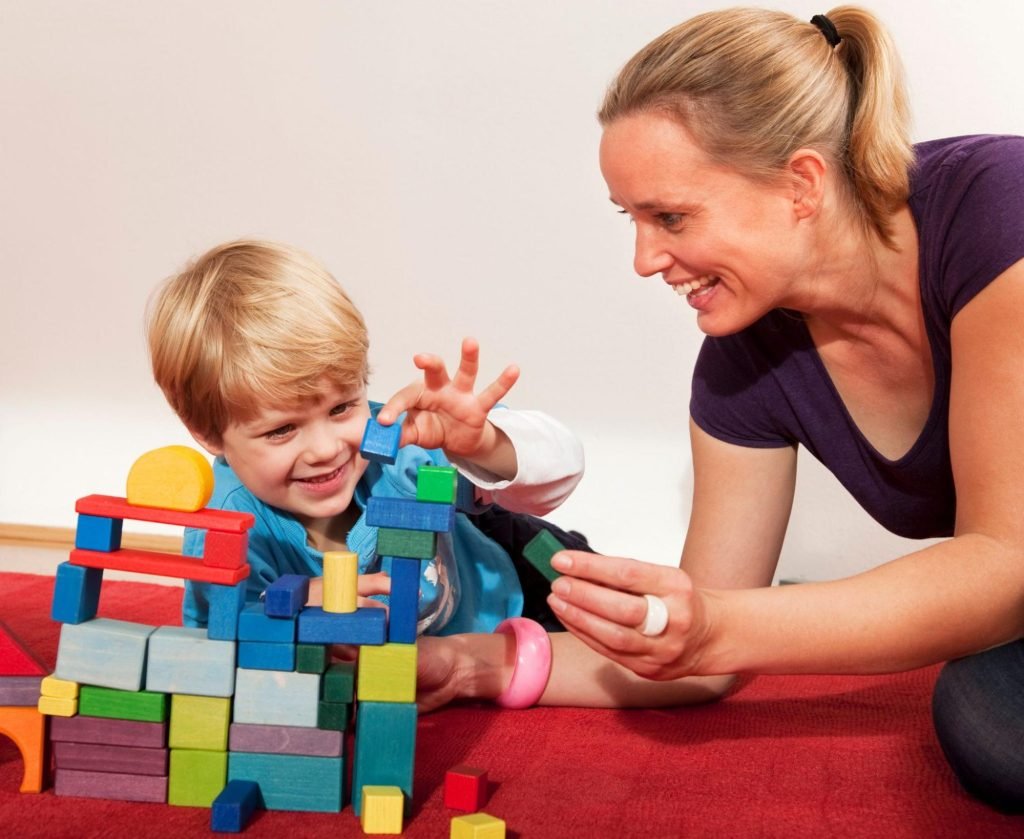
Playtime builds therapy skills without pressure. Blocks build hand control. Dressing dolls help with buttoning and fine motor work. You can also let your child help in the kitchen or garden. These fun, low-stress moments help your child practice real-life skills. Consistency matters more than complexity.
Aligning Occupational Therapy for Kids Across Settings
Occupational therapy for kids works best when everyone’s on the same page. Often, school and home approaches don’t match up. Bridging that gap gives your child a smoother, more consistent support system.
Communicate With Teachers and IEP Teams
Teachers need to know how OT supports your children’s goals. Share what works at home and ask what helps in class. If your child has an Individualized Education Program (IEP), OT goals can be added there, too. Make sure school staff and therapists are connected. Everyone should understand how progress is being measured.
Sync Home and School Therapy Plans
When routines and tools are used in both places, kids do better. If the school uses picture schedules, use them at home. Ask the therapist for simple carryover tasks you can do daily. Staying consistent keeps your child from feeling confused or stuck, and it also makes therapy more effective overall.
Finding the Right Occupational Therapy Services for Kids
Getting started with OT can feel overwhelming. Many parents don’t know where to look or what to ask. Finding the right provider makes a big difference. It’s about more than convenience or cost. The right fit helps your child make faster, steadier progress.
What to Look For in a Provider
Start by checking if the therapist is licensed and experienced with children. Ask how they track progress and involve families. Look for someone who adapts well to your child’s behavior. A good therapist explains what they’re doing and why. They should also be open to questions and willing to adjust as needed.
Clinic-Based vs. School-Based Therapy
Some kids get OT at school, and others go to private clinics. School-based therapy focuses on academic needs like handwriting or classroom behavior. Clinic-based OT often allows more time and a broader focus. Both can be helpful, depending on your goals. Insurance, waitlists, and location may also influence the choice.
Start Exploring Occupational Therapy for Kids Today
Waiting rarely makes things easier—for your child or you. Struggles with writing, focus, or everyday routines don’t fix themselves with time. Occupational therapy for kids offers more than support—it gives them a way forward. It’s not about labeling your child; it’s about understanding them. Take one step now, and you might provide them the freedom they’ve been reaching for all along.
Want real tips and insights that make a difference? Visit the Oasis Rehabilitation Services blog to support your child’s progress today.