

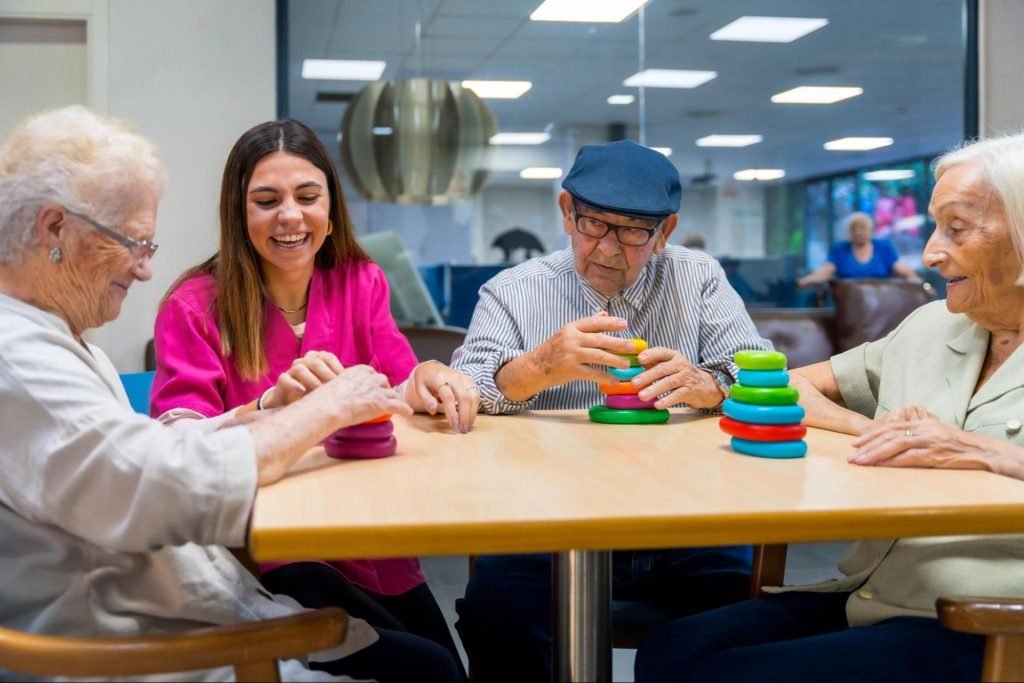
Occupational therapy is a powerful healthcare profession dedicated to helping people overcome challenges that prevent them from performing everyday tasks. The word “occupation” in this context goes beyond just paid work — it refers to any meaningful daily activity, from brushing your teeth and cooking a meal to working, socializing, or pursuing hobbies. Through assessments, therapy interventions, and collaboration with clients and their support networks, Occupational Therapy enables individuals to live with greater independence, dignity, and quality of life. Our mission is to guide clients toward their highest potential, empowering them to engage fully in the activities that matter most to them.
The Core Principles of Occupational Therapy
Occupational therapy is grounded in the principles of respect, dignity, and client-centered care, recognizing that every person deserves the opportunity to engage in meaningful daily routines, regardless of their challenges. Rather than focusing solely on limitations, therapists help clients build skills, adapt, and problem-solve to live more independently. Using tools such as observation, standardized assessments, and interviews, they design interventions that respect each person’s culture, strengths, and preferences. Flexible treatment plans enable clients to build confidence in their abilities as they adjust to life’s changing demands.
Who Benefits From Occupational Therapy?
People from every stage of life can benefit from occupational therapy, whether they are recovering from an illness, living with a disability, or managing age-related changes. From children with developmental delays to teens recovering from sports injuries, and from working adults to seniors, occupational therapy addresses a diverse range of needs. Its adaptable, client-focused methods empower individuals to rebuild skills and maintain independence.
Pediatric Occupational Therapy
Pediatric occupational therapy develops skills for school, play, and self-care, while promoting social participation. Therapists also help children with autism create calming strategies and adapt to new environments.
Occupational Therapy for Adults
Adults use occupational therapy to relearn daily skills after an injury, utilizing tools and techniques to restore their independence. Therapy also supports emotional resilience and helps individuals adjust to new routines.
Occupational Therapy for Seniors
Occupational therapy helps seniors maintain their independence by providing home safety adaptations, memory support, and fall prevention services. These strategies maintain dignity and reduce health risks.
How Occupational Therapy Enhances Daily Living Activities
A key focus of occupational therapy is improving Activities of Daily Living (ADLs), which encompass essential self-care tasks such as bathing, grooming, feeding, and dressing, to support independence and self-esteem. Therapists analyze which parts of these tasks cause difficulty and provide solutions, such as button hooks or adaptive clothing for someone with arthritis. Individuals recovering from surgery might also learn safer ways to bathe or dress without relying on others. These strategies help maintain autonomy and reduce stress for both clients and caregivers.
Occupational Therapy for Complex Daily Routines
Instrumental Activities of Daily Living (IADLs) extend beyond basic self-care, encompassing tasks such as managing finances, shopping, meal preparation, and taking medications correctly. Occupational therapists help clients build these skills by breaking tasks into simple, achievable steps, such as using daily checklists or medication organizers. For older adults, relearning to use public transportation or shop for groceries can be a critical part of regaining independence. By focusing on these complex routines, occupational therapy strengthens confidence and supports community participation.
Strengthening Cognitive Abilities With Occupational Therapy
Cognitive skills like memory, attention, and planning are vital for everyday life, but can be affected by strokes, brain injuries, or dementia. Occupational therapy supports cognitive rehabilitation through targeted exercises, puzzles, and electronic memory aids to rebuild thinking skills. Therapists also teach compensatory strategies, such as using notes, alarms, or visual schedules, to help individuals stay organized. These tools help clients maintain their independence and remain actively connected to their communities. With consistent practice and guidance, many individuals experience meaningful improvements in daily functioning.
Enhancing Sensory Regulation Through Occupational Therapy
Sensory processing challenges can impact children with autism, adults with PTSD, or seniors with neurological conditions, disrupting their ability to feel comfortable and focused. Occupational therapy uses sensory integration treatment to help the brain interpret sensory signals more effectively. Therapists may introduce specialized activities, such as swinging, brushing techniques, or tactile play, to help regulate the nervous system. These strategies help individuals feel calmer, more in control, and better able to participate in daily routines.
Occupational Therapy for Mental Health Support
Occupational therapy is a powerful tool for supporting mental health recovery, helping people with anxiety, depression, PTSD, or bipolar disorder regain a sense of stability. Therapists work to rebuild disrupted routines by identifying enjoyable hobbies, teaching relaxation techniques, and encouraging social engagement. Clients also learn coping skills, mindfulness practices, and problem-solving strategies to manage stress more effectively. By restoring a sense of purpose, belonging, and satisfaction, occupational therapy lays a foundation for long-term mental wellness.
Occupational Therapy for Physical Recovery and Rehabilitation
Physical rehabilitation is a crucial aspect of Occupational Therapy, helping clients regain strength, mobility, and coordination after an injury or surgery. Therapists develop personalized programs that help individuals build the skills necessary for daily living.
Upper Limb and Fine Motor Skills
Occupational therapists often focus on restoring hand and arm movements, which are vital for personal care and work activities. Exercises, splinting, and practice of everyday tasks like writing or using tools help improve dexterity and function.
Strategies for Managing Pain
Pain can limit participation in daily activities. Occupational therapists teach techniques such as pacing, joint protection, and energy conservation to reduce discomfort. Clients also learn how to plan their days to balance activity with rest, promoting a healthy lifestyle.
Promoting Community Engagement With Occupational Therapy
One of the most valuable aspects of occupational therapy is helping people reconnect with their communities through meaningful participation and engagement. Whether volunteering, taking a class, or spending time with friends, community involvement brings richness and purpose to daily life. Occupational therapists support these goals by helping individuals practice skills such as budgeting, using public transportation safely, and navigating social challenges. These interventions reduce isolation and build confidence, fostering a stronger sense of belonging and connection.
How Occupational Therapy Uses Assistive Technology
Assistive technology is a powerful tool in occupational therapy, supporting people of all ages to achieve greater independence in their daily routines. From simple devices like built-up utensils or button hooks to advanced voice-activated systems and smart-home controls, these tools help clients overcome physical or cognitive challenges. Occupational therapists carefully assess each person’s needs, train them to use these devices, and provide ongoing support to troubleshoot any issues that may arise. By matching the right technology to the right person, therapy ensures clients gain confidence and maintain their participation in meaningful activities. As technology continues to advance, occupational therapy will play a vital role in making these innovations accessible and practical for everyday life.
Occupational Therapy Strategies for a Safer Home
Home environments can either support or limit a person’s independence, making them a key focus in occupational therapy. Therapists conduct thorough home assessments to identify hazards and recommend improvements, such as grab bars, slip-resistant flooring, or wider doorways. They also teach clients safer ways to perform daily tasks, reducing the risk of falls or injuries. These modifications not only protect clients physically but also boost their confidence in navigating their living spaces. Ultimately, these efforts provide peace of mind for both clients and their families.
Occupational Therapy Support for Caregivers
Caregivers also need support, and occupational therapy is a valuable resource to help them thrive. Therapists teach safe transfer techniques, recommend adaptive equipment, and share stress management strategies to make caregiving easier. They also connect caregivers with community resources, such as support groups and respite care options. By empowering caregivers with the skills and confidence they need, therapists can protect their well-being and resilience. Supporting caregivers ultimately ensures the client’s long-term success and stability. Supporting caregivers ultimately ensures the client’s long-term success and stability, creating a healthier environment for everyone involved.
Clinical Collaboration in Occupational Therapy
Collaboration is a cornerstone of occupational therapy, ensuring clients receive the best possible outcomes. Occupational therapists frequently collaborate with nurses, physicians, physical therapists, speech therapists, and mental health professionals to develop comprehensive care plans that address the needs of their patients. Through consistent communication and regular progress updates, the entire team remains aligned with the client’s needs and goals. This unified approach helps avoid gaps in treatment and supports faster, more effective progress. Clients benefit from knowing that all their care providers are working together in harmony. Ultimately, this teamwork prioritizes the client’s overall well-being and promotes a holistic path to recovery.
Taking the First Steps Toward Engaging in Occupational Therapy
If you’re interested in occupational therapy, the first step is usually obtaining a referral from your doctor or another healthcare provider. Once referred, an occupational therapist will schedule a detailed evaluation to learn about your routines, challenges, and personal goals. Together, you will develop a therapy plan with measurable, realistic objectives that reflect what matters most to you. Many insurance plans include coverage for occupational therapy services, making them accessible for a wide range of people. Your therapy team can help guide you through payment options, address insurance questions, and assist with scheduling. Taking this first step can open the door to greater independence, confidence, and improved quality of life.

The Lasting Impact of Occupational Therapy
Occupational therapy offers hope, skill-building, and long-term solutions for individuals seeking to participate fully in their lives. Whether the challenge is physical, mental, or social, occupational therapists possess the training and empathy to help clients achieve success. These professionals can guide individuals through practical strategies and supportive tools to build independence and confidence. If you or someone you love is ready to explore how occupational therapy can help, reaching out to a licensed therapist is a significant first step. With the proper support, you can move forward toward a healthier, more fulfilling life.
To learn more about occupational therapy, visit our Oasis Rehabilitation Services blog.