


Occupational therapy (OT) is often misunderstood or confused with physical therapy, but it plays a unique and essential role in healthcare. It encompasses a wide range of support for individuals striving to lead independent, productive, and satisfying lives, regardless of age, ability, or condition. Occupational therapy helps people of all ages perform daily tasks, like self-care, work, and leisure, promoting independence and a better quality of life. Whether someone is recovering from injury, managing a disability, or dealing with age-related challenges, occupational therapy can help promote independence and enhance quality of life.
How Occupational Therapy Transforms Lives Across All Ages
Occupational therapy is a powerful healthcare service that empowers individuals to overcome physical, cognitive, and emotional challenges that interfere with daily living. Whether helping a child with developmental delays or supporting an adult recovering from injury, occupational therapy enhances independence and quality of life through personalized, goal-driven interventions.
Helps People Regain Living Skills
One of occupational therapy’s core functions is helping individuals regain or improve the skills needed for daily living. This might involve relearning basic self-care routines like dressing, grooming, or feeding oneself after a stroke or accident. Occupational therapists assess the patient’s limitations and design customized interventions to improve strength, coordination, and problem-solving skills. These therapies not only rebuild function but also build confidence. For individuals facing chronic conditions, OT can adapt tasks and environments to make them more accessible, allowing patients to retain independence.
Supports Children With Developmental Disorders
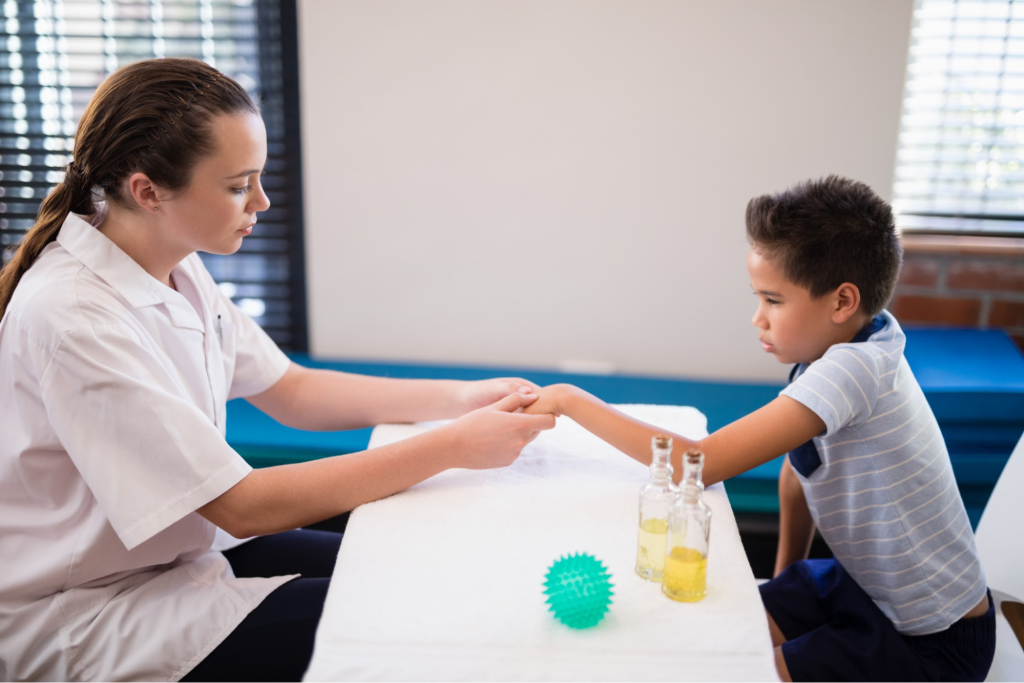
When children experience developmental delays or disorders like autism spectrum disorder, sensory processing disorder, or ADHD, they may struggle with school tasks, social interaction, or motor skills. Occupational therapy provides targeted interventions to help them improve focus, coordination, and fine motor abilities. Therapists use play-based activities to engage children in a fun yet purposeful way. The goal is to enhance their ability to participate in age-appropriate home, school, and community activities. Parents also receive guidance and strategies to support their child’s progress at home.
Enhances Cognitive Functions
Cognitive decline can affect people of all ages, but is particularly common among older adults or individuals recovering from brain injuries. Occupational therapy offers cognitive rehabilitation to improve memory, attention, organization, and problem-solving skills. For example, an elderly person with early-stage dementia may receive strategies for managing daily tasks more easily, while someone recovering from a traumatic brain injury might engage in exercises to rebuild mental processing skills. Therapists also help families create routines and safe environments to reduce confusion and promote stability.
Helps Patients Adapt to Home and Work
When abilities change due to injury, illness, or aging, it may become difficult to function in the environments a person is used to. Occupational therapists evaluate homes, schools, and workplaces and recommend changes to remove barriers. This might include installing grab bars in the bathroom, adjusting kitchen layouts, or recommending ergonomic office equipment. By modifying the environment instead of the person, occupational therapy reduces strain and enhances access, allowing individuals to stay in their chosen space longer and more comfortably.
Facilitates a Return to Work or School
Occupational therapy plays a vital role in vocational and educational rehabilitation. For someone returning to work after injury or illness, OT can help assess job demands, match them to current abilities, and identify modifications that support performance. In educational settings, children with learning differences or physical limitations can benefit from occupational therapy services that help them participate fully in academic and social activities. Therapists often work with teachers to create individualized education plans (IEPs) that support student success.
Promotes Mental Health
Occupational therapy isn’t just physical—it also addresses mental and emotional health. Individuals with depression, anxiety, PTSD, or other psychological conditions may struggle with routine responsibilities or social interaction. Occupational therapists work with these individuals to rebuild routines, improve coping strategies, and find meaning in daily activities. The goal is to re-establish a sense of purpose and structure essential for mental well-being.
Prevents Injuries and Manages Chronic Conditions
Prevention is another essential element of occupational therapy. Therapists help patients develop strategies to avoid future injuries or flare-ups, especially those living with chronic conditions such as arthritis, diabetes, or heart disease. This might involve teaching joint protection techniques, energy conservation methods, or ways to manage pain. Therapists empower patients with knowledge and techniques that make life more manageable and reduce the need for frequent medical interventions.
Uses Adaptive Equipment
Another important aspect of OT is identifying and teaching patients using assistive technology. These tools range from simple aids like jar openers to complex devices like voice-activated software. Therapists assess the patient’s goals and select tools that enhance their ability to function independently. By incorporating adaptive equipment into daily routines, occupational therapy removes many obstacles that can come with disability or illness.
Addresses Sensory Challenges
For some individuals, particularly children with autism or sensory processing disorders, everyday sensations like sound, touch, or light can be overwhelming. Occupational therapists trained in sensory integration techniques help these individuals modulate their responses. They might use weighted blankets, swings, or tactile play to build tolerance and comfort with sensory stimuli. This work is critical for improving attention, reducing anxiety, and enabling participation in everyday routines.

Ways Occupational Therapy Shapes Lifelong Well-Being
In addition to its many roles in restoring skills and promoting independence, occupational therapy offers powerful support for aging adults, stroke recovery, and disability management. From creating customized treatment plans to collaborating with families, occupational therapy enriches lives across diverse settings and circumstances while emphasizing the healing power of meaningful activity.
Helps Aging Adults
Aging brings natural changes in physical and cognitive ability. Occupational therapy supports older adults in maintaining their independence and avoiding institutional care for as long as possible. Therapists can help seniors stay safe at home by addressing fall risks, suggesting home modifications, and improving mobility. They also offer memory strategies and activities that keep the brain engaged. Ultimately, occupational therapy promotes aging in place, enhancing overall quality of life.
Rehabilitates Stroke Patients
When someone experiences a stroke, spinal cord injury, or orthopedic trauma, occupational therapy is essential in the rehabilitation process. While physical therapy focuses on movement, occupational therapy focuses on functional activities. This means helping patients relearn how to button a shirt, cook a meal, or write their name. It involves creative problem-solving and often requires adapting the person and environment to restore independence.
Fosters Independence in Disabled Individuals
Occupational therapy is very beneficial for people with permanent disabilities. Therapists help these individuals develop skills for managing daily life with dignity and autonomy. For instance, someone with cerebral palsy or spinal cord injury may learn new ways to dress, eat, or work using adaptive techniques or devices. OT also encourages engagement in social, recreational, and vocational activities, which boosts confidence and well-being.
Collaborates With Families and Caregivers
Occupational therapy is not just about the individual but also the support system. Therapists often work closely with family members and caregivers to ensure they understand how to assist without fostering dependence. This can include training on transfers, medication management, or home care techniques. When caregivers are empowered with the right skills, they provide more effective support and reduce stress.
Creates Personalized Treatment Plans
Every person is different, and so is every occupational therapy plan. Before crafting a personalized approach, therapists thoroughly assess physical abilities, cognitive skills, emotional health, and environmental factors. This plan evolves as the patient progresses and includes specific, achievable goals. The therapist also measures progress and adjusts strategies as needed. This tailored approach is one reason occupational therapy is so effective.
Works Across a Wide Range of Settings
Occupational therapists work in hospitals, outpatient clinics, schools, homes, rehabilitation centers, mental health facilities, and even prisons. Their diverse skill set allows them to serve people across the lifespan and with a wide range of needs. Wherever people face barriers to daily life, occupational therapy steps in to help them live with greater ease and independence.
Emphasizes the Power of Meaningful Activity
The core philosophy of occupational therapy is that meaningful activity promotes healing and well-being. Whether returning to a favorite hobby, connecting with loved ones, or preparing a meal, these activities bring joy and purpose. Occupational therapists believe that engaging in life is not just about surviving—it’s about thriving. They help people find or regain that engagement, no matter their challenges.
What Does Occupational Therapy Do?
So, what does occupational therapy do? It empowers individuals to overcome physical, cognitive, emotional, or environmental obstacles and participate in daily activities that give life meaning. OT is a bridge between medical recovery and real-life function. Whether you’re recovering from injury, supporting a child with a disability, managing a chronic illness, or navigating the challenges of aging, occupational therapy offers strategies and solutions tailored to your needs. It’s not just about getting better—it’s about living better.
For more information about occupational therapy, please visit the Oasis Rehabilitation Services blog.