

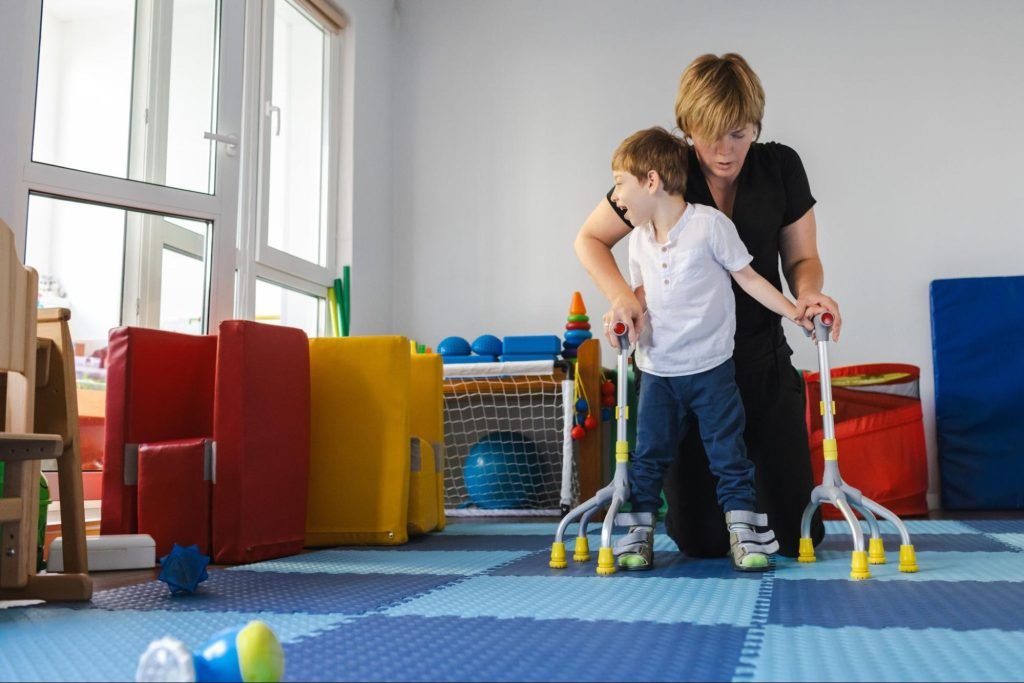
Children grow in unexpected ways. Some take longer to hold a spoon, tie their shoes, or sit still in class. Others struggle to process sounds, textures, or daily routines. These differences aren’t always something a child will outgrow. Occupational therapy helps children overcome those challenges with care, skill, and patience. It builds practical skills that make daily life less stressful for the child and the family. With the proper support, even small steps can lead to significant changes.
The Different Types of Occupational Therapy
Pediatric occupational therapy isn’t a single service with a single solution. It includes several types of support depending on a child’s specific needs. Each type targets different areas of development, function, or learning. Understanding the differences helps families choose the right approach for their child:
Pediatric Occupational Therapy for Motor Skills
Children need strong motor skills to play, learn, and care for themselves. Some children struggle to hold crayons, button shirts, or balance on one foot. Pediatric occupational therapists use engaging activities to develop hand strength, balance, and coordination. These activities may include crafts, obstacle courses, or puzzles. The goal is to enhance everyday skills that enable children to participate fully at home and in school. Progress is steady and based on each child’s comfort level.
Occupational Therapy for Sensory Integration in Kids
Some children react strongly to light, sound, textures, or movement. Others barely notice what’s around them. These behaviors can make dressing, eating, or sitting in class difficult. Sensory integration therapy helps children respond more calmly and consistently to their environment. Therapists use swings, brushes, weighted items, and games to train the senses. Over time, children learn to feel safer and more regulated during daily routines.
Occupational Therapy for Emotional and Social Growth
Emotional regulation is just as important as physical skills. Some children become easily overwhelmed or struggle to express their feelings. Others may have difficulty playing with peers or following rules. Therapists help children manage frustration, anxiety, and impulsive behavior through creative, child-centered strategies. Games, role-playing, and structured tasks build emotional control and social awareness. These sessions give children tools to relate better to others and feel more secure.
School-Based Occupational Therapy Support
School can be challenging for children who struggle with writing, staying seated, or focusing their attention. School-based occupational therapy helps children access learning more effectively. Therapists may work on handwriting, posture, or self-regulation in the classroom. They also support teachers by suggesting strategies that cater to each child’s individual needs. These sessions take place during school hours and focus on educational goals. Collaboration with parents and educators is key to success.
Occupational Therapy for Children With Autism
Children on the autism spectrum often face challenges with routines, communication, and sensory input. Occupational therapists create tailored plans to support these areas. Sessions may include visual schedules, sensory calming tools, and social games to support learning and development. The therapy also helps children develop daily living skills, such as dressing, brushing their teeth, and using utensils. By breaking down tasks into manageable steps, therapy builds confidence and independence. Families are included in each step to keep progress moving forward at home.
Early Intervention Occupational Therapy for Toddlers
When developmental delays appear in toddlers, early help makes a difference. Occupational therapy for very young children focuses on play, movement, and daily routines. Therapists often work in homes or early childhood centers. They use toys, songs, and stories to support the development of motor, sensory, and communication skills. Sessions are active, flexible, and adjusted to match the child’s pace. The goal is to establish strong foundations before the start of the school year.

When to Start Pediatric Occupational Therapy
Deciding when to begin therapy can be difficult for parents. Children grow at their own pace, but consistent struggles often signal a need for support. Waiting too long can delay progress and increase frustration. Knowing the signs helps families take the next step with clarity.
Delays in Fine or Gross Motor Development
If a child avoids crawling, walking, or using their hands, it may be more than a delay. Skipping these milestones can affect future school readiness. Occupational therapists assess these skills through play and observation. Treatment focuses on building the muscles and patterns needed for movement. Early therapy provides the child with more time to develop the skills necessary for daily tasks. Families also learn ways to support development during everyday play.
Frequent Tantrums or Emotional Outbursts
All children have hard days, but daily meltdowns suggest deeper struggles. A child who cannot calm down or express needs may need emotional support. Occupational therapy helps identify triggers and develop more effective coping strategies. Children learn through sensory tools, games, and movement. These techniques support calm responses and better communication. Over time, outbursts decrease, and confidence grows.
Trouble With Everyday Routines
Simple routines, such as brushing teeth or putting on socks, can become major obstacles. Some children refuse, resist, or avoid these tasks entirely. Occupational therapists break routines into manageable steps and practice them gently. They may suggest adaptive tools or sensory-friendly materials. These changes help children complete daily tasks with less resistance. Parents often see smoother mornings and bedtime routines after consistent therapy.
Difficulty Fitting in With Other Children
If a child avoids group play, misunderstands social cues, or has trouble sharing, it can impact their friendships. Occupational therapy helps children develop social awareness and skills for interacting with peers. Activities often include cooperative games, storytelling, and structured social practice. Children learn to take turns, read body language, and respond to emotions. These new skills lead to better friendships and more positive experiences. Support is gradual and always built around the child’s pace.
Benefits of Occupational Therapy for Families
Therapy is not only for the child but also for the parents. Families gain support, tools, and relief from daily struggles. The benefits extend into the home, classroom, and community. Over time, the entire family dynamic can shift for the better.
Reduced Stress During Daily Routines
Mornings and evenings are often the most stressful times for families. Occupational therapy offers strategies that facilitate dressing, feeding, and transitions more easily. Therapists teach children how to prepare for each part of the day. They also guide parents on how to respond calmly and consistently. As children succeed, the household becomes more relaxed. Stress gives way to smoother routines and shared success.
Stronger Parent-Child Connection
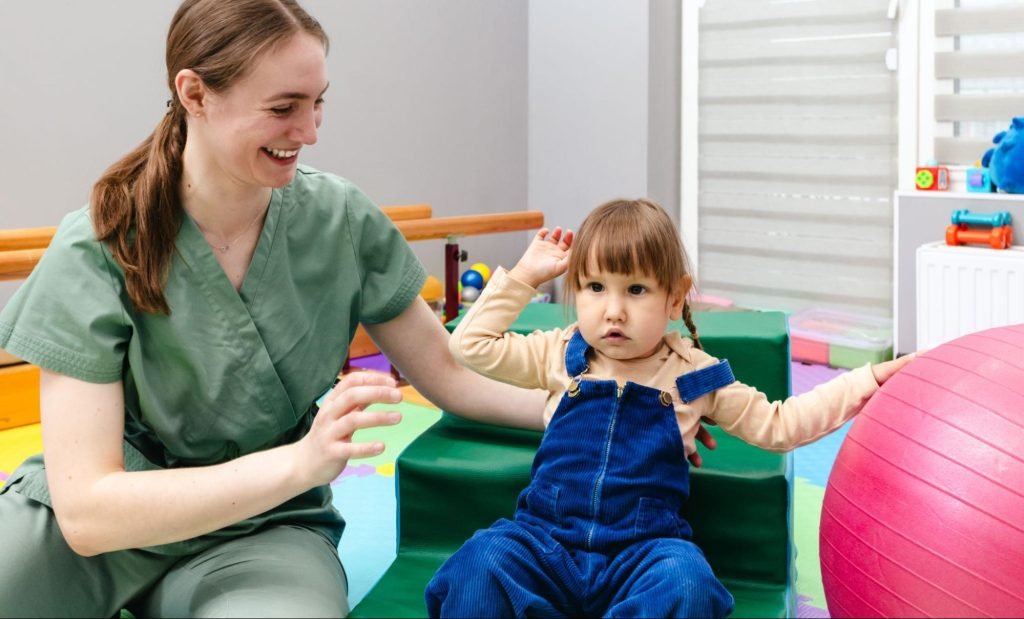
Frustration can create distance between parents and children. When therapy helps reduce those struggles, families reconnect emotionally. Therapists often involve parents in sessions and share clear action plans. This collaboration builds trust between the child and the caregiver. Parents feel more confident in handling challenges. Children respond to that confidence with more cooperation and comfort.
Better Outcomes at School and Daycare
Therapy supports children where learning happens. By improving motor skills, focus, and social interaction, kids become more engaged students. Teachers often report better attention, behavior, and participation. Therapists may also provide classroom tools, such as special seating, fidget items, or visual reminders. These changes support learning without singling out the child. Progress in school often leads to more motivation and success at home.
Confidence That Carries Over
Success builds more success. As children master small tasks, they gain the courage to try bigger ones. Therapists celebrate every win, no matter how small. That positive reinforcement fuels more effort and engagement. Confidence spills into friendships, family life, and new challenges. What begins in a therapy session reaches into every part of life.
Setting Goals in Different Types of Occupational Therapy
Setting goals isn’t guesswork in occupational therapy. It’s a deliberate process based on daily struggles, needs, and strengths. Goals are shaped around real-life tasks, not copied from a list. The goal is always to make life easier, not perfect.
What Makes a Goal Meaningful in Therapy
Meaningful goals are personal, specific, and achievable. They focus on tasks such as getting dressed without assistance or sitting through meals calmly. Therapists often start by observing how someone performs a task and then break it down into smaller steps. Each step is a goal in itself, building up to a full skill. Some goals may change over time as progress is made or new challenges come up. This approach keeps therapy useful and motivating across every stage.
Tracking Progress With Flexible Goal Setting
Therapists don’t set a goal and forget it. Progress is tracked through small wins and adjusted routines. If something isn’t working, the plan can be adjusted without having to start over. This flexibility prevents frustration and supports steady growth. Families also see the change, which builds confidence in the process. The path may shift, but the progress always moves forward.
Techniques for All Types of Occupational Therapy
Tools in occupational therapy aren’t random objects; they’re carefully chosen supports. Whether for motor skills, focus, or emotional regulation, every tool has a job. Techniques are just as important, shaping how tasks are taught and practiced. The mix of tools and strategies is what makes therapy feel hands-on and engaging.
How Tools Help People Build Practical Skills
Tools often resemble toys or school supplies, but they serve a more profound purpose. Therapists might use therapy putty to strengthen hands or weighted items to calm the body. Visual cues help with focus, while movement tools support balance. Even everyday things like stickers, tongs, or picture cards can teach fine motor control or routine steps. What matters is how they’re used, not just what they are. The goal is always to make tasks easier and more manageable.
Techniques That Support Lasting Skill Development
Therapy isn’t just about the tools; it’s how those tools are used. Techniques like modeling, repetition, and timed tasks help skills stick. Therapists may use visual schedules or first-then boards to teach routines and reinforce them. Guided choices provide individuals with a sense of control while maintaining direction. These strategies make the learning process more effective and less stressful. Over time, they build independence that lasts.
Choose a Type of Occupational Therapy That Works for You
When a child struggles to function, connections can get lost in the noise. Frustration builds, routines break, and growth slows down. Therapy offers more than help; it provides a structure where there is overwhelm and calm where there is chaos. The earlier you start, the more precise the path becomes. You don’t need to wait for things to get worse. Choosing the correct type of occupational therapy is how progress begins to show up in everyday life.
The answer to your other questions might be an article away. Browse the Oasis Rehabilitation Services blog and find trusted support for the challenges you’re facing right now.