
Getting hurt is no fun. A broken bone, a sprain, or sore muscles can keep you from playing, running, or doing what you love. Just waiting to feel better doesn’t always work. Physical therapy helps your body heal cleverly and safely. It’s not just about rest—it’s about moving the right way.
What Makes Physical Therapy Programs Effective?
Physical therapy helps your body heal using special moves and exercises. A trained expert or a physical therapist shows you what to do. They make a plan that fits you. Every person is different, and so is every injury. That’s why these programs help.
They Focus on Treating the Real Problem
Sometimes, pain is just a sign of something more profound. If your knee hurts, it might be because your muscles aren’t working right. Therapists don’t just stop the pain. They find out why it’s there. Then, they fix the real issue so it doesn’t come back.
Every Plan is Made Just for You
No two people are the same. That means your recovery plan should be different, too. Physical therapists build a program just for your body. They choose the best exercises for your age, size, and injury. That makes healing faster and safer.
You Get Better Step by Step
Therapists don’t rush. They check how you’re doing all the time. If something feels too hard, they change it. If something works great, they add more. That way, you get stronger little by little. Every step takes you closer to feeling good again.
How Physical Therapy Programs Speed Up Recovery
When you sit too long, your muscles get stiff. Physical therapy helps your body stay strong while it heals. It keeps things moving so you feel better faster. With the right moves, your injury gets better without causing new problems.
Movement Helps Pain Go Away
Moving helps your body feel better. When you move the right way, your blood flows, and muscles relax, reducing pain and swelling. The more you move safely, the less it hurts.
Avoiding Stiffness and Weak Muscles
Lying around too much can slow things down. Muscles get weak, and joints stop moving right. Therapy helps you stay active in a safe way. That means no extra problems while you’re healing. And you don’t feel stuck or bored.
Healing Gets Faster With Good Exercise
Doing small exercises the right way helps. It keeps your muscles strong and your body balanced. Physical therapists teach you how to do them right. That’s how you get better without hurting yourself again.
How Physical Therapy Programs Help You Recover Smarter
Getting better isn’t just about fixing an injury. It’s about learning how your body works. Physical therapy teaches you how to move the right way. That keeps you safe and strong—even after the injury is gone.
Learning About the Body
Therapists show you how your bones, muscles, and joints work together. You learn what makes your body move well—and what causes pain. Knowing more helps you heal better. It also makes you feel proud of your progress.
Safe Movement for Everyday Activities
Injuries often happen because of wrong moves. Maybe you twisted too fast or landed too hard. Physical therapy teaches better ways to move. These new habits stick with you. That means fewer injuries in the future.
Staying Strong After Recovery
Even after the pain is gone, therapy helps you stay strong. You should keep doing simple exercises to protect your body. That way, you’ll be ready to run, jump, or play again, and your body will stay in great shape.
Common Injuries Physical Therapy Programs Help With
People get hurt in all kinds of ways. Sports, falls, or just growing can cause pain. Physical therapy helps with many of these problems. It’s not just for severe injuries—small ones count, too.
After Surgery or a Broken Bone
If you’ve had surgery or worn a cast, therapy helps you move again. When muscles don’t move for a while, they can get weak. Therapy helps build them back up. It also helps your joints feel normal again.
Sports Injuries and Sore Muscles
Playing hard can lead to pulled muscles or twisted ankles. A therapist helps you heal without missing too much fun. You learn ways to stretch, balance, and stay in control. That enables you to get back to your sport even stronger.
Long-Lasting Pain (Back or Knee Aches)
Sometimes, pain doesn’t come from one significant injury. It builds up over time. Therapy helps you find out what’s wrong and fix it. A therapist will teach stretches and exercises that make the pain go away and stay away.
How to Pick a Good Physical Therapy Program
Not every therapy place is the same. Some are made for kids, and others for adults. It’s crucial to find one that feels right for you. A good therapist will make you feel safe, heard, and ready to improve.
Choose Someone Who Works With Kids
Therapists who treat kids know how your body is growing. They understand how to make exercises fun and safe. If they’ve helped other kids like you, that’s a good sign. Ask your doctor or parents for help choosing.
Ask What Kind of Tools They Use
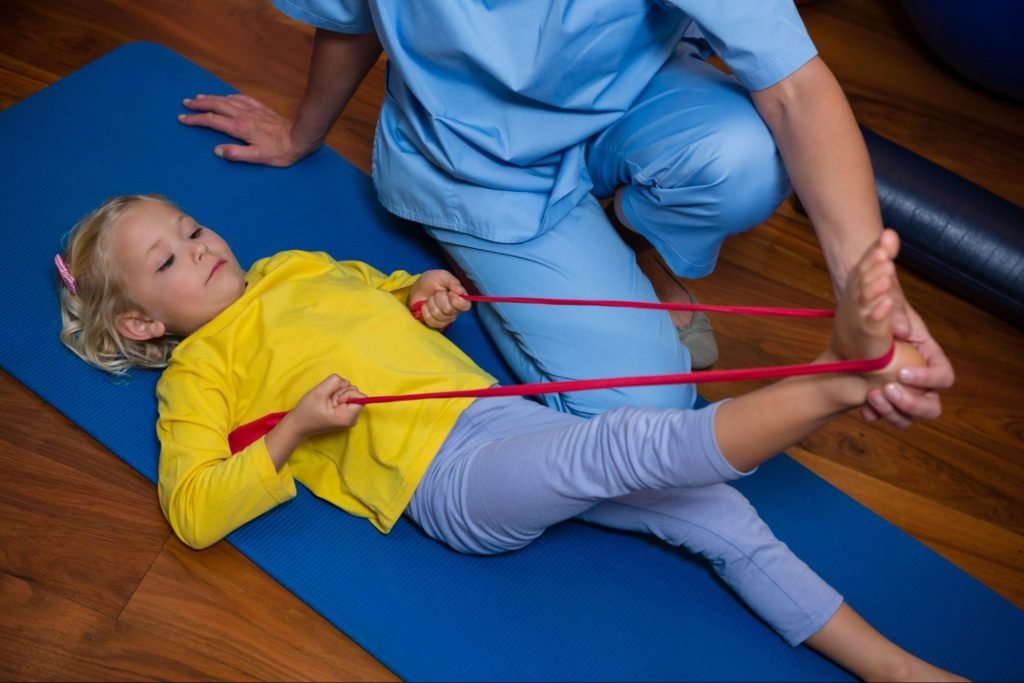
Therapists use cool things to help you feel much better. That might be stretchy bands, soft balls, balance boards, or ice and heat. The tools make therapy more fun and helpful. Don’t be afraid to ask how things work.
Make Sure They Talk to You Clearly
A good therapist explains things in a way you understand. They should listen to your questions and cheer you on. You should feel comfortable saying what hurts and what doesn’t. That makes healing feel more manageable and less scary.
How Physical Therapy Programs Help When Started Early
Waiting too long can make things worse. Muscles can get tighter, and joints can stop moving correctly. The longer you wait, the harder it gets. Starting therapy soon helps your body heal before things get more complicated to fix.
Stops Stiffness and Builds Good Habits
Waiting can cause your muscles and joints to lock up, which makes pain stick around. Therapy keeps things moving so they don’t freeze. You also learn good ways to sit, stand, and move, which helps you feel better faster.
Makes You Feel Strong and Confident Sooner
When you start moving again, you feel more in control. Each small win gives you courage. You learn that you can get better, which makes recovery less scary and more fun.
Prevents You From Getting Hurt Again
If you skip treatment, your body doesn’t heal properly, making it easier to get hurt again. Physical therapy ensures that you heal properly, keeping you safer now and in the future.
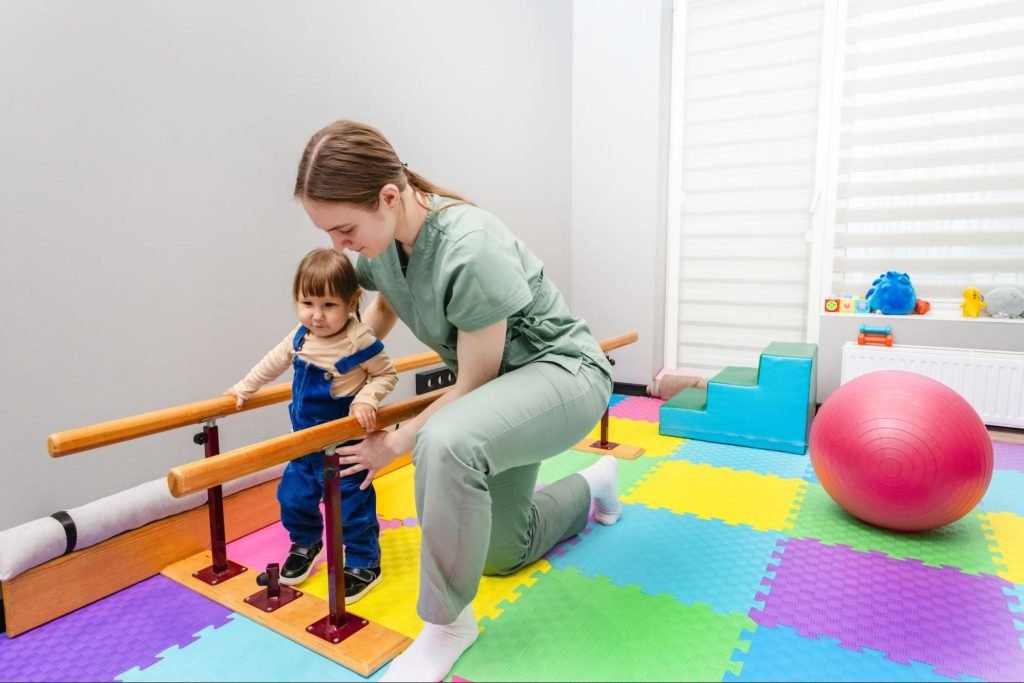
How Physical Therapy Programs Support Mental Health
Getting hurt doesn’t just affect your body. It can also make you feel nervous, upset, or even scared. Physical therapy helps with those feelings, too. When you feel safe and supported, healing feels easier.
Confidence Grows Through Progress
It’s easy to feel like nothing’s improving when you’re hurt. But each small win in therapy helps prove that you’re getting stronger. That builds absolute confidence. It shows you that your body can bounce back. Feeling proud makes the hard work worth it.
Feeling Safe Makes a Big Difference
Sometimes, kids are afraid to move after getting hurt. A therapist helps you feel safe by listening and checking in. They don’t rush you or ignore your pain. That trust helps your body and mind relax. It’s an intense way to heal from the inside out.
How Families Can Support Kids in Physical Therapy Programs
Recovery works better when families get involved. Support at home can help kids stay motivated and on track. It also helps make therapy part of everyday life. Even simple things can make a huge difference.
Encouragement Helps Kids Stay Motivated
It’s easier to stick with therapy when someone’s cheering you on. A kind word or high-five from a parent means a lot. It keeps kids from feeling frustrated or alone. Small wins feel even better when you have someone to share them with. Support turns hard days into better ones.
Practice at Home Makes Progress Stick
Some therapy work needs to happen at home, too. Families can help by watching the exercises or joining in. A few minutes each day builds up fast. It helps the body stay strong between sessions, and teamwork helps recovery move even quicker.
What Makes Physical Therapy Programs More Enjoyable
Recovery doesn’t have to feel like a chore. The right program makes therapy engaging for all ages—whether you’re a kid, teen, or adult. When sessions are enjoyable, people stay committed, push through challenges, and heal with a better mindset.
Games and Challenges Keep Therapy Interesting
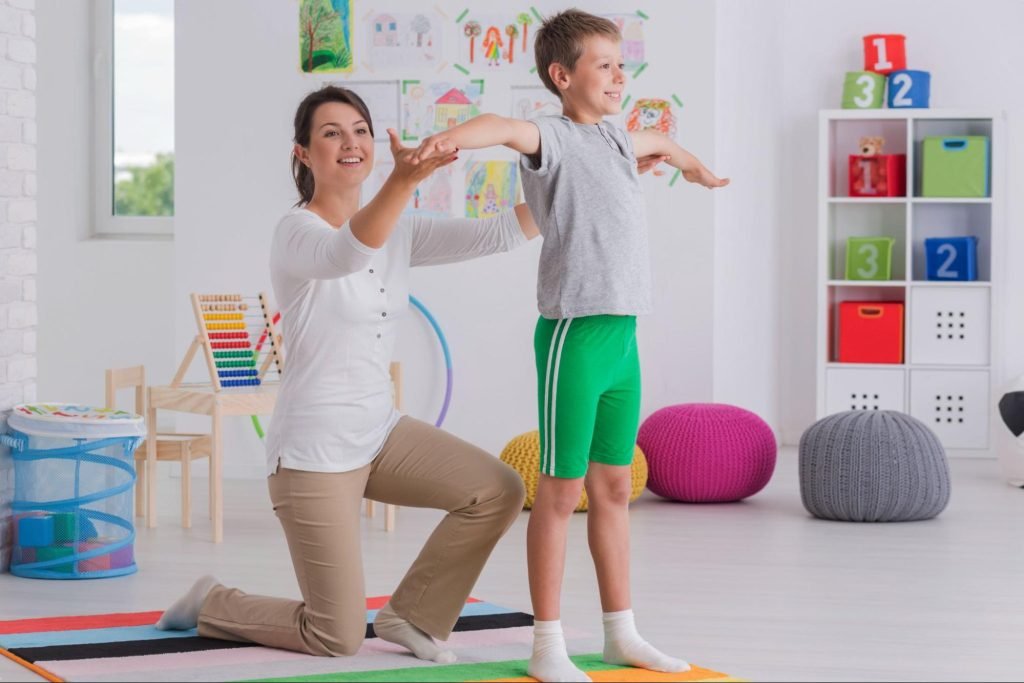
Therapists often turn exercises into fun challenges. For kids, that might be a race or a balance game. Adults may do goal-based tasks that feel rewarding, not repetitive. Making therapy enjoyable keeps people engaged at any age. It turns hard work into something people look forward to.
Every Win Builds Motivation and Momentum
Small wins matter whether you’re young or grown. Maybe today, you moved farther or walked without help. Therapists notice and celebrate every step forward. That recognition builds motivation to keep going. Feeling seen makes a recovery more personal—and more powerful.
Start a Physical Therapy Program That Puts You First
Getting better isn’t just about waiting. It’s about moving, growing, and rebuilding with the right help. A physical therapy program isn’t just a bunch of stretches—it’s a chance to take charge of your body and feel strong again. If something hurts or feels off, don’t ignore it. Say something, ask for help, and take that first step toward healing that lasts.
Keep the progress going—explore the Oasis Rehabilitation Services blog for helpful recovery tips for families like yours.