


Recovery is often described as a journey, but it feels more like a daily struggle for those living it. Illness, injury, or developmental delays can turn simple tasks into overwhelming challenges. Healing the body is only one part of the process, while regaining independence and dignity requires different support. Occupational therapy makes recovery practical and personal, restoring the ability to participate fully in everyday life.
Occupational Therapy Defined in Recovery
Occupational therapy is a healthcare service that helps people regain function after illness, injury, or developmental challenges. It focuses on enabling individuals to manage daily activities such as dressing, eating, or working. That makes it different from physical therapy, which focuses on restoring strength and movement. By emphasizing independence, occupational therapy bridges medical treatment with meaningful living.
More Than Restoring Physical Health
Occupational therapy extends recovery beyond physical gains by addressing how people live with their limitations. Therapists develop strategies that adapt tasks to match current abilities rather than forcing patients to return to previous routines. For example, a patient recovering from a stroke may use one-handed techniques for dressing or cooking. This approach ensures that life continues even when complete restoration is not possible. Patients gain independence, dignity, and confidence as they reestablish control over everyday life.
Returning Purpose to Daily Life
Daily tasks form the foundation of human identity; losing them can feel devastating. Occupational therapists break these activities into achievable steps so patients can gradually succeed. Preparing a meal, bathing independently, or returning to school are milestones in recovery. Each success builds momentum and reinforces personal worth. This focus on purpose gives recovery meaning beyond physical survival.
Occupational Therapy for Physical Recovery
Physical recovery becomes complete only when patients can function independently in their daily environments. Occupational therapy helps people apply healing to meaningful activities, from mobility to self-care. Therapists integrate strengthening routines with real-life tasks, directly linking progress and independence, making physical recovery more practical and lasting.
Regaining Strength and Functional Mobility
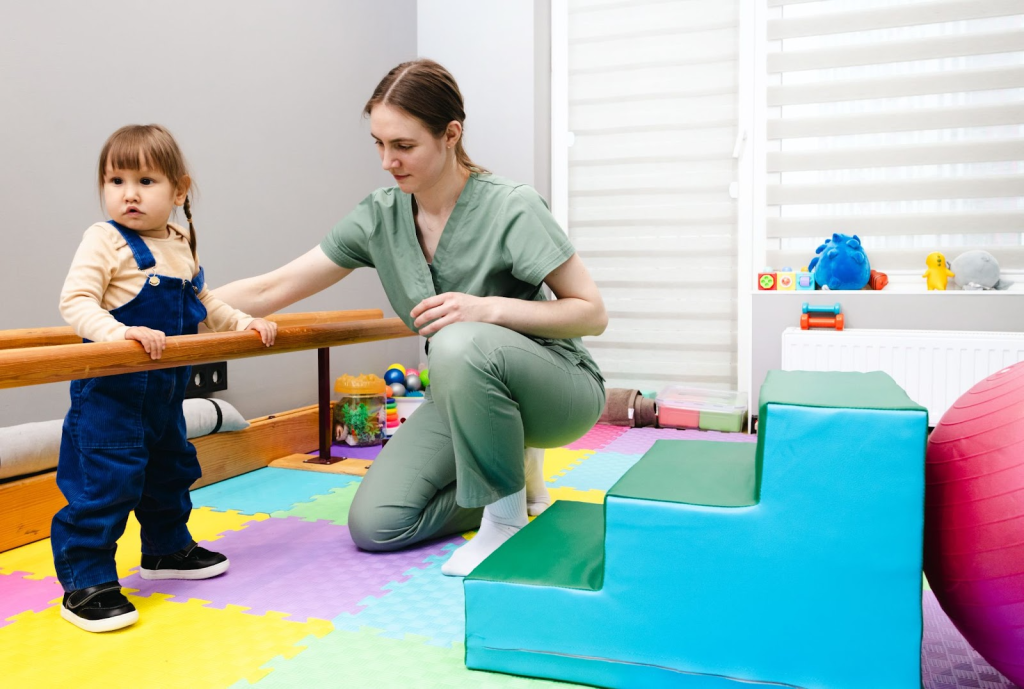
Occupational therapy strengthens both large and fine motor skills. Therapists create exercises that mirror everyday needs, such as climbing stairs, reaching overhead, or buttoning clothing. A child learning to hold a pencil again receives training that targets strength and precision. Stroke patients often benefit from retraining programs that restore coordination step by step. Functional movement becomes more manageable with consistent practice. These strategies make physical recovery relevant and goal-oriented.
Adaptive Tools for Independence
Some patients require specialized equipment to complete daily routines. Occupational therapists recommend using utensils with larger grips, custom splints, or ergonomic chairs. These tools reduce physical strain and allow patients to succeed despite limitations. For instance, a spoon with a modified handle enables a child with limited grip strength to feed themselves. Each device becomes a bridge toward independence. With this support, recovery is less frustrating and more empowering.
Retraining Routines in Real Environments
Therapists also recreate daily environments to make recovery more practical. Under guidance, patients may practice kitchen tasks, dressing routines, or work simulations. These scenarios reduce the fear of returning home or school unprepared. Practicing in realistic conditions also uncovers potential challenges that can be solved before discharge. This hands-on method builds both skill and confidence. By retraining routines, therapy makes recovery smoother and safer.
Occupational Therapy for Cognitive and Emotional Healing
Recovery is often incomplete when mental and emotional health is overlooked. Brain injuries, trauma, or stress can limit memory, focus, and resilience. Occupational therapy addresses these issues with structured activities that rebuild skills and strengthen coping strategies. This approach creates stability for long-term recovery.
Building Cognitive Abilities Step by Step
Therapists design cognitive exercises that match daily responsibilities. Patients may work on budgeting, following recipes, or organizing tasks to improve planning and attention. These activities mimic real-life challenges while keeping progress measurable. Structured repetition strengthens memory and executive functioning over time. Patients gain confidence as they master increasingly complex activities. This process restores both capability and independence.
Supporting Emotional Health in Recovery
Emotional well-being is closely tied to physical healing. Occupational therapists create daily routines that promote structure and reduce stress. Completing achievable tasks gives patients a sense of progress, reducing frustration and hopelessness. Therapists also coordinate care with psychologists or counselors when deeper support is needed. Together, these services help patients remain motivated throughout recovery. Emotional healing becomes an active part of the rehabilitation plan.
Occupational Therapy for Children and Adolescents
Children and teenagers face different recovery needs than adults. Their growth, learning, and social development cannot be put on hold during illness or injury. Occupational therapy helps them stay engaged in play, education, and friendships while addressing developmental or medical challenges. This support allows young patients to continue building essential skills while recovering.
Developmental Interventions for Young Patients
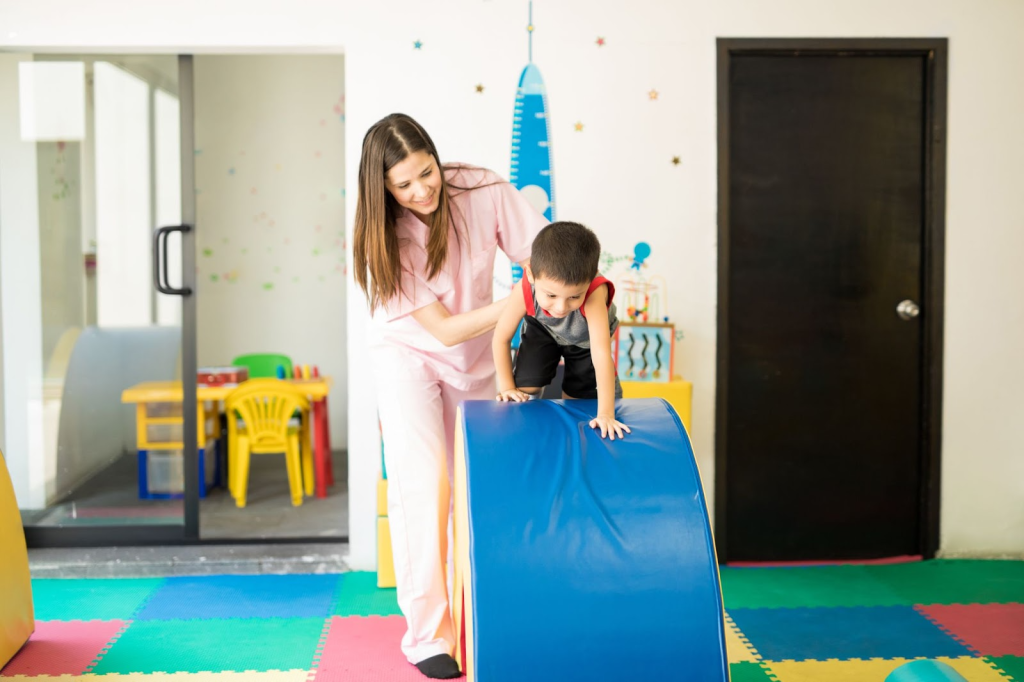
Occupational therapists work with children who have developmental delays, autism, or learning difficulties. They design activities that improve fine motor control, attention, and classroom readiness. Strengthening hand muscles prepares children for handwriting and art tasks. Sessions also promote sensory processing, which is essential for focus in school. Each intervention is tailored to the child’s unique strengths and challenges. These strategies make growth possible during recovery.
Social Growth Through Play
Play is both fun and therapeutic for children. Occupational therapists use play-based activities to build coordination, teamwork, and communication. Group games promote interaction and help children learn to navigate social settings. These experiences reduce feelings of isolation caused by illness or disability. Over time, children gain confidence in their ability to participate with peers. Play becomes a tool for both healing and social integration.
Supporting Academic Participation
Returning to school after an illness can be overwhelming. Occupational therapists help children adapt through handwriting practice, sensory supports, or posture training. They also collaborate with teachers to modify classrooms when needed. That ensures children stay engaged with learning while managing their recovery. Confidence grows when academic demands feel achievable again. School becomes a place of progress rather than frustration.
Occupational Therapy for Older Adults
Aging often challenges independence, but occupational therapy supports older adults in living safely and meaningfully. Therapists assess health conditions, home safety, and routines to create strategies for daily living. This focus helps seniors remain independent longer. Recovery in later life becomes less about limitation and more about adapting.
Promoting Safety for Independent Living
Falls are among seniors’ most significant risks. Occupational therapists address this by assessing homes for hazards and suggesting modifications like grab bars or slip-resistant flooring. They also teach safe mobility strategies that lower the chance of injury. These changes reduce anxiety for both seniors and families. Patients gain peace of mind while maintaining control over their living spaces. Independence feels more achievable when safety is prioritized.
Adapting to Chronic Health Conditions
Chronic illnesses such as arthritis or Parkinson’s disease can make routines exhausting. Occupational therapists develop energy-conservation strategies and recommend adaptive tools for daily tasks. For example, pacing activities helps reduce fatigue, while specialized devices support cooking or self-care. These personalized strategies keep patients engaged in the activities they value. By adjusting routines, seniors preserve both independence and enjoyment. That makes managing chronic conditions less overwhelming.
The Collaborative Approach of Occupational Therapy
Occupational therapy thrives on teamwork between healthcare providers, families, and patients. Each group brings unique insight to the recovery process and creates stronger results. Therapists coordinate care to ensure goals are realistic and achievable. This collaboration strengthens both the medical and personal sides of recovery.
Integration With Other Therapies
Occupational therapists often work alongside physical and speech therapists. A patient recovering from a neurological condition may need mobility, speech, and daily living support simultaneously. Combining services prevents gaps in care and speeds up recovery. Each therapy complements the others by focusing on different aspects of health. Patients benefit from a more complete and efficient rehabilitation plan. This integrated model improves outcomes across the board.
Empowering Families and Caregivers
Families are central to successful recovery. Occupational therapists teach caregivers how to assist with daily activities while promoting independence. It might include safe lifting, preparing meals, or encouraging practice outside sessions. Caregiver involvement also reduces stress and creates consistency in routines. Patients feel supported both inside and outside therapy. Recovery becomes a shared journey rather than an isolated challenge.
Why Occupational Therapy is Central to Recovery
Occupational therapy ensures recovery extends beyond medical treatment. Without it, patients may heal physically but remain dependent in daily life. Therapy provides strategies, tools, and training to bridge this gap. It makes recovery complete by focusing on independence and purpose.
Preventing Long-Term Dependence
Patients who receive occupational therapy are less likely to need institutional care. Therapists reduce reliance on others by teaching safe and practical methods for daily living. This strategy lowers healthcare costs while also reducing the emotional burden on families. Patients can remain in their homes longer, with dignity and confidence. These outcomes highlight the long-lasting benefits of therapy. Independence becomes a realistic goal, not just a distant hope.
Creating a Life Beyond Recovery
Survival alone does not make recovery satisfying. Occupational therapy supports hobbies, community involvement, and personal goals. Patients reconnect with activities that define who they are, from cooking to sports to social gatherings. Each accomplishment strengthens identity and self-worth. Recovery shifts from survival to thriving. This difference sets occupational therapy apart as essential to complete healing.
Start Occupational Therapy to Restore Independence
Recovery is not complete until people regain control over their lives. Occupational therapy provides the tools, strategies, and confidence to reach that point. Waiting to seek support often prolongs frustration and dependence. Families who connect with therapy services give their loved ones a stronger path back to independence. Begin the process today to restore dignity and purpose in recovery.
See how therapy connects to real-life progress—find thoughtful articles and updates on the Oasis Rehabilitation Services blog.