
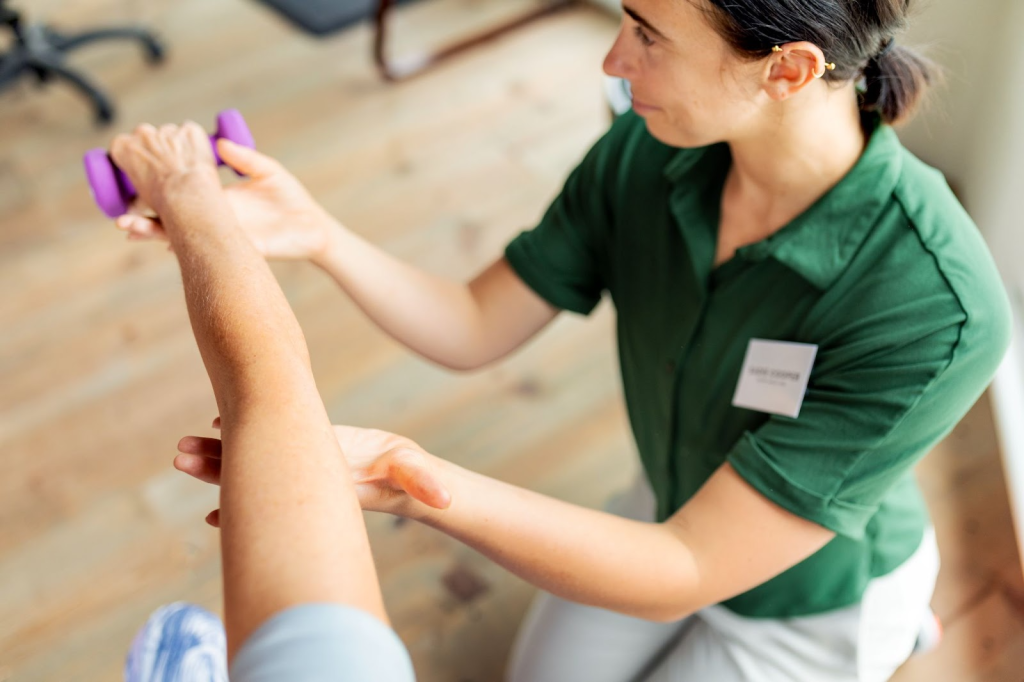
When you enroll in occupational therapy programs, you’ll find that although there is overlap with physical therapy programs, the focus shifts from purely physical mobility to also include the skills needed for daily living. Physical therapy programs often emphasize restoring movement, strength, and reducing pain. Occupational therapy programs add to that by teaching people how to perform everyday tasks—eating, dressing, cooking, using tools—and adapting environments so those tasks are possible. Expect to cover topics not only in motion, but also cognition, coordination, sensory processing, and fine motor control.
What Physical Therapy Programs Teach in Assessment Phases
One of the first things occupational therapy programs will do is assess your baseline. Physical therapy programs often include range-of-motion, strength, gait, balance, and posture assessments. In occupational therapy programs, you’ll also be evaluated on fine motor skills, hand-eye coordination, ability to perform daily activities, cognitive and perceptual skills, and sometimes psychological or sensory aspects. Expect standardized tools, interviews, home or work environment evaluation, sometimes simulation of daily tasks, to understand where challenges lie.
Physical Therapy Programs’ Structure of Therapeutic Intervention
In occupational therapy programs, interventions are tailored to goals set for each individual, much like in physical therapy programs, but with a broader scope. Physical therapy programs tend to use exercise regimens, stretching, gait training, modalities like heat, cold, or ultrasound, and strength training. Occupational therapy programs build on this by integrating functional tasks—such as grasping, manipulating objects, performing managerial tasks, and engaging in self-care—often using adaptive tools, modifications, or environmental adjustments. You’ll also experience training in how to compensate for deficits (for example, using assistive devices) or practice tasks in the actual settings where they occur.
Understanding the Duration and Intensity of Physical Therapy Programs
Expect occupational therapy programs to vary in length and intensity depending on the condition being treated. Physical therapy programs often have a prescribed schedule (several sessions per week) for a period to restore mobility or reduce pain. Occupational therapy programs similarly assign frequent sessions early on, which may taper off as progress is made toward daily task independence. Intensity often depends on severity, setting (inpatient vs. outpatient), payer constraints, and patient endurance.
Physical Therapy Programs’ Role of Multidisciplinary Collaboration
Effective rehabilitation often requires more than a single type of therapy. Both occupational therapy and physical therapy programs work best when paired with other specialties, ensuring that physical, cognitive, and emotional needs are addressed together. By drawing on a team of professionals, patients benefit from a comprehensive plan of care that extends well beyond movement or strength. This holistic collaboration creates smoother progress and better long-term outcomes.
Working With Speech Therapy
Speech therapy often addresses communication and swallowing challenges that complement mobility and daily living goals.
Integrating Psychological Support
Mental health professionals provide coping strategies and emotional resilience, supporting patients through the stress of recovery.
Coordinating With Medical Providers
Physicians oversee medical stability, prescribe treatments, and ensure therapy aligns with overall health plans.
Adapting Through Social and Vocational Services
Social workers or vocational specialists help patients adjust environments, secure resources, or transition back into work and community roles.
What Physical Therapy Programs Expect in Patient Participation
In occupational therapy programs, considerable patient participation is expected. Physical therapy programs also require active involvement, including doing home exercises, following therapy plans, and maintaining consistency. Occupational therapy programs encourage you to engage by bringing in your own goals: what activities matter in your life, what tasks you want to resume, and what environments you live or work in. You’ll often be asked to practice outside of sessions, track progress, and report difficulties so that the program can adjust.
Physical Therapy Programs’ Education and Credentials Overview
If you are considering becoming a provider in occupational therapy, understand how the credentials of physical treatment programs compare. Physical therapy programs generally require a Doctor of Physical Therapy (DPT) degree; occupational therapy programs require a Master of Occupational Therapy (MOT) or Doctor of Occupational Therapy (OTD). Both require clinical hours, supervised fieldwork, and license examinations. In occupational therapy programs, you’ll also often get training in adaptive technologies, sensory processing, cognitive rehab, and how to evaluate daily living tasks.
Physical Therapy Programs and Goal Setting in Occupational Therapy
In occupational therapy programs, goal setting is a critical early step, similar to physical therapy programs, but often more focused on daily activities and tasks. Physical therapy programs may have goals like increasing range of motion, strength, and walking without pain. Occupational therapy programs set goals like putting on clothes independently, cooking a meal, returning to work, handling self-care, and managing household tasks. Expect regular goal reviews and adjustments, as improvements in mobility alone are often insufficient if daily activities remain challenging.
Adaptive Equipment and Environmental Modifications in Physical Therapy Programs
A feature that distinguishes many occupational therapy programs is their frequent use of adaptive tools and environmental modifications. Physical therapy programs may use equipment like exercise machines, balance tools, and gait trainers. Occupational therapy programs may incorporate adaptive utensils, dressing aids, modified tools, and adjustments to the home or workspace (e.g., grab bars, improved lighting, furniture modifications) to make tasks more manageable or easier. Expect evaluation of your daily environments and recommendations or assistance to adjust them.
Physical Therapy Programs for Cognitive, Sensory, and Emotional Supports
Recovery involves more than regaining muscle strength or reducing pain. Many patients also face challenges with thinking, sensory processing, or emotional balance, which can greatly affect independence. Occupational therapy often works in conjunction with physical therapy programs to address these broader needs, ensuring that progress extends beyond physical mobility. By blending physical goals with cognitive, sensory, and emotional support, therapy creates a more complete path toward recovery.
Addressing Cognitive Challenges
Therapists may focus on attention, memory, and planning to help patients manage everyday tasks more effectively.
Supporting Sensory Processing
Interventions often target sensory integration, helping individuals tolerate various environmental factors, including noise and textures.
Managing Emotional Well-Being
Coping strategies and therapeutic guidance are used to reduce frustration, anxiety, or emotional distress during recovery.
Combining Physical and Functional Goals
In addition to gross motor progress, therapy may include fine motor training and daily task practice to promote independence.
Tracking Milestones and Progress in Physical Therapy Programs
Successful occupational therapy programs track progress via milestones. Physical therapy programs do similarly through strength gains, motion measurements, and pain reduction. In OT programs, these milestones may include mastering daily tasks, improving speed or independence in self-care, and returning to previous hobbies or work. Consider periodic reassessments, data collection, and a patient diary or digital tracking to measure progress not just physically but also functionally.
Physical Therapy Programs’ Role in Discharge Planning
A key but sometimes overlooked part of occupational therapy programs is how discharge planning works. Physical therapy programs often plan for gradual reduction of sessions as movement goals are reached. Occupational therapy programs schedule transition toward independence in tasks, provide strategies to maintain gains, sometimes suggest home exercise programs, follow-ups, or wrap-around services. Expect that discharge isn’t an abrupt stop but a phase where skills are solidified and supports adjusted.
Insurance, Costs, and Coverage Considerations in Physical Therapy Programs
Understanding how services are paid for is important. Physical therapy programs usually have clearer billing practices for mobility or injury rehab. Occupational therapy programs can sometimes be covered differently, depending on whether daily task assistance, cognitive rehab, or equipment are involved. Expect to need documentation, referrals, justification of need, and sometimes coverage caps. Be prepared to discuss costs, obtain estimates, and understand which parts of your program might require out-of-pocket payment.
Physical Therapy Programs’ Emotional, Motivational, and Psychological Dimensions
Rehabilitation is never limited to physical recovery alone. Emotional hurdles, changes in identity, and shifts in daily independence often weigh heavily on patients. Occupational therapy and physical therapy programs both recognize the importance of psychological well-being, weaving encouragement and motivation into treatment. This approach helps patients stay engaged, resilient, and hopeful throughout the recovery process.
Coping With Emotional Challenges
Therapists support patients facing frustration, sadness, or anxiety that often arise during rehabilitation.
Staying Motivated Through Setbacks
Motivational techniques and achievable milestones help patients remain focused even when progress feels slow.
Addressing Identity Shifts
Loss of independence or changes in fine motor abilities, like feeding or writing, can challenge self-image, requiring thoughtful support.
Involving Families in the Process
Group sessions or family participation foster encouragement and strengthen the patient’s overall emotional network.
Physical Therapy Programs Supporting Chronic Conditions and Long-Term Care
Many participants in occupational therapy programs have conditions that are chronic or long-term: neurological diseases, degenerative conditions, developmental delays. Physical therapy programs often help with movement and pain; occupational therapy programs help with maintaining daily function, adapting as conditions change. Expect that your program may evolve over time, with periods of greater need and adjustments. Continuity, retraining, revising goals, and adapting environments become part of long-term planning.
Frequency, Duration, and Setting Flexibility in Physical Therapy Programs
Programs vary widely in where they take place: hospital, outpatient clinic, home, community, school. Physical therapy programs often require more frequent sessions initially, tapering with progress; occupational therapy programs similarly adjust, sometimes more flexibly, especially when tasks or environments are varied. You may spend time in clinical settings practicing tasks, and in your own home or daily environment applying those tasks. Expect flexibility and possibly remote or telehealth options in some cases.
Safety and Risk Management in Physical Therapy Programs
While occupational therapy programs are designed to increase safety and independence, there is also risk. Physical therapy programs often guard against movement-related injuries; OT programs also guard against injuries when adapting tasks—for example, misusing assistive devices, or when home environments pose hazards. Expect therapists to assess risk, train you in safe techniques, and perhaps modify your environment to reduce risk. Safety is integral: both for physical movement and for cognitive/emotional tasks.
Physical Therapy Programs’ Support After Formal Therapy Ends
Once the formal occupational therapy program concludes, many patients benefit from ongoing support. Physical therapy programs often transition to maintenance exercise, occasional check-ins, or home programs. Occupational therapy programs similarly may involve lifestyle adjustments, habit changes, assistive devices in daily life, and check-ups. Expect follow up either via outpatient services, community programs, home health, telehealth, or periodic evaluations as needed.
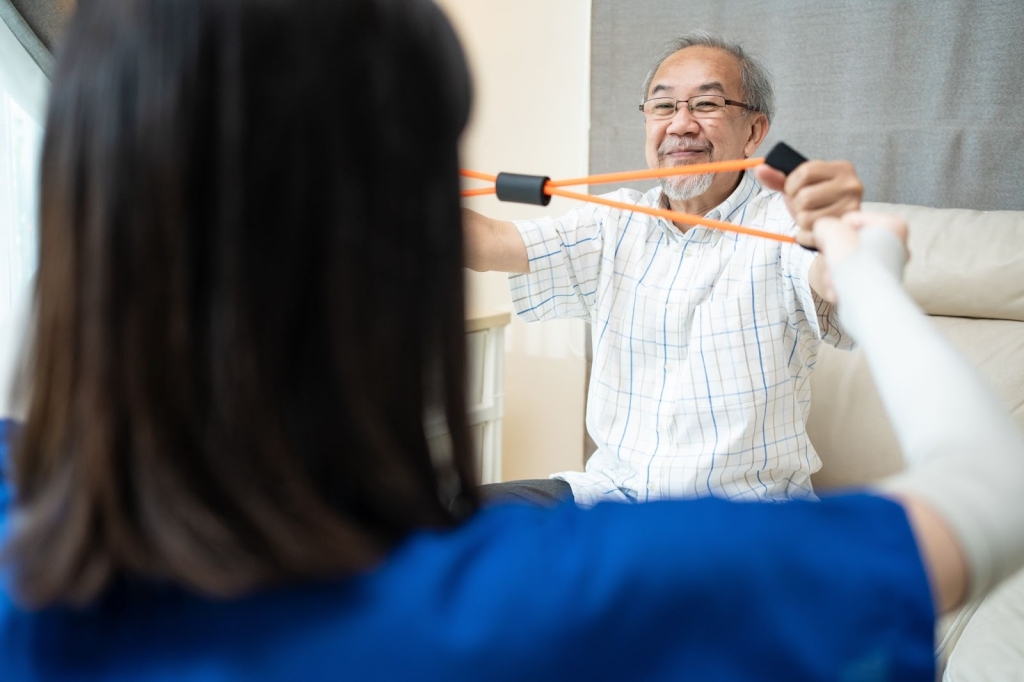
How Physical Therapy Programs Work With Occupational Therapy
Occupational therapy programs, when understood in context of physical therapy programs, offer a full spectrum of recovery, adaptation, and personal empowerment. You’ll start with assessment, set goals with both physical and functional outcomes, experience interventions, adapt your environment, use adaptive tools, and learn emotional and cognitive coping. Success is measured in regained movement AND regained independence—daily tasks done with confidence, reduced reliance on others, improved quality of life. While every individual’s path is unique, knowing what to expect can make the process more manageable and more hopeful.To know more about what to expect from occupational therapy programs, visit our Oasis Rehabilitation Services blogs.