


Occupational Therapy programs are designed to help individuals develop, recover, or maintain the skills they need for daily living and working. These programs support people of all ages who face physical, cognitive, or emotional challenges, providing customized strategies that focus on improving independence and overall quality of life. Whether someone is recovering from an injury, living with a chronic condition, or navigating developmental delays, Occupational Therapy programs play a vital role in helping them lead fulfilling, productive lives.
The Purpose of Occupational Therapy Programs
The main goal of occupational therapy programs is to empower individuals to participate fully in everyday activities. This may involve restoring lost abilities after illness or injury, adapting environments to fit a person’s needs, or teaching new techniques to manage tasks more efficiently. Each program is personalized, ensuring that therapy addresses specific challenges and aligns with a person’s lifestyle, preferences, and goals. By focusing on meaningful outcomes, these programs help individuals build confidence and improve their overall quality of life.
Key Components of Occupational Therapy Programs
Effective Occupational Therapy programs are built around a few core elements that ensure patients receive comprehensive, targeted care. These components work together to support both short-term progress and long-term independence.
Initial Assessment and Goal Setting
Every program begins with a thorough evaluation of the individual’s needs, abilities, and goals. This information enables the therapist to create a customized plan tailored to the individual’s daily life and activities. The assessment also sets measurable benchmarks that guide progress over time.
Personalized Intervention Plans
Therapists design specific exercises, activities, and strategies that target areas for improvement. These plans may evolve as progress is made and needs change. Adjustments ensure that therapy remains relevant and aligned with the individual’s goals.
Education and Training
Occupational Therapy programs often include teaching patients and caregivers practical techniques to maintain progress at home. This ensures that improvements continue beyond therapy sessions. By empowering patients with knowledge, therapy outcomes are more sustainable and impactful.
Who Benefits from Occupational Therapy Programs?
Occupational Therapy programs benefit people across a wide range of circumstances. They are commonly used for children with developmental delays, adults recovering from injuries, and seniors experiencing age-related challenges. They also help individuals living with chronic illnesses such as arthritis, multiple sclerosis, or Parkinson’s disease. The adaptability of these programs allows them to be customized for nearly any age, condition, or lifestyle, making them an essential service for diverse populations.
Types of Occupational Therapy Programs
Occupational Therapy programs can take many forms, depending on the patient’s needs and the setting in which care is delivered. The variety ensures that therapy can be as flexible and personalized as necessary.
Pediatric Occupational Therapy
These programs focus on helping children develop motor skills, sensory processing, and self-care abilities. They often involve play-based activities to make learning engaging. By addressing developmental delays early, therapists can set the foundation for long-term success in school and daily life.
Geriatric Occupational Therapy
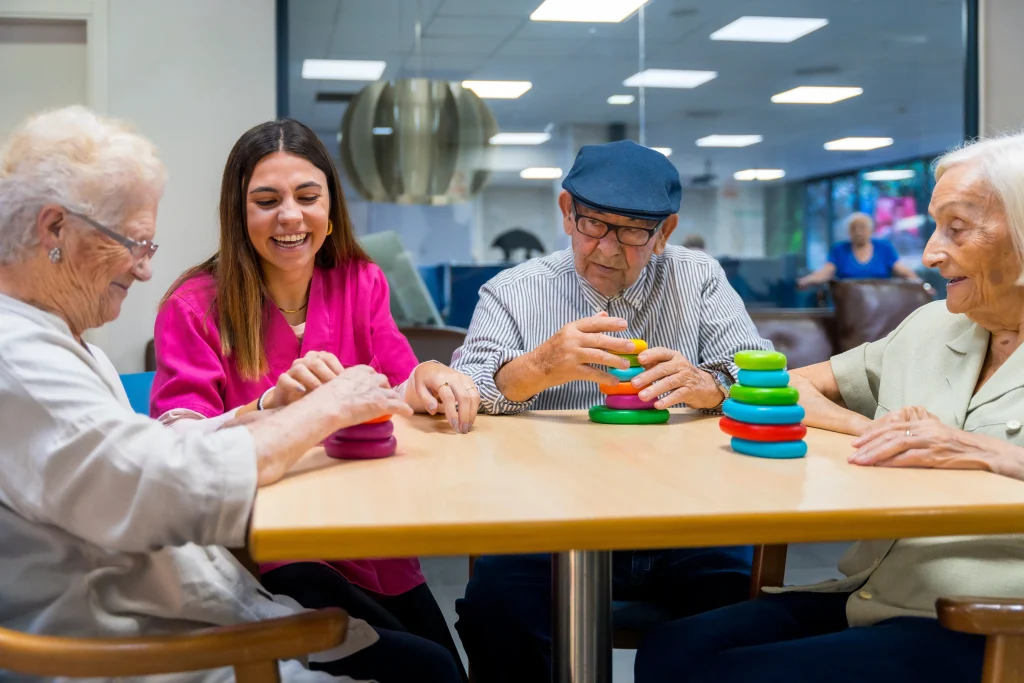
Designed for older adults, these programs address age-related issues, including balance, mobility, and cognitive decline. They often aim to prevent falls and maintain independence. Therapists also work to enhance quality of life by promoting confidence in everyday activities.
Rehabilitation After Injury or Illness
Patients recovering from strokes, surgeries, or traumatic injuries can use Occupational Therapy programs to regain strength, coordination, and functional abilities. Therapists guide patients through gradual progressions that restore independence and rebuild confidence in daily routines.
The Role of the Occupational Therapist
Occupational therapists are highly trained professionals who assess needs, design interventions, and guide patients through the therapy process. They also work closely with other healthcare providers to coordinate care. Their expertise allows them to adapt therapy techniques to suit a patient’s unique situation, making them key players in achieving positive outcomes within these programs. In doing so, they empower individuals to overcome limitations and engage more fully in meaningful daily activities.
How Occupational Therapy Programs Improve Daily Living
One of the most important aspects of Occupational Therapy programs is their focus on real-life activities. This means therapy sessions are designed to help people manage the exact tasks they need to complete each day.
Enhancing Independence at Home
Programs may focus on self-care skills, such as dressing, cooking, and personal hygiene. These improvements allow individuals to live more autonomously. Therapists often introduce adaptive tools and modifications that make everyday tasks easier and safer. Over time, this support helps individuals build confidence in their ability to manage their own routines.
Supporting Workplace Success
For working adults, therapy may involve ergonomic adjustments, time management strategies, or physical conditioning to meet job demands. These interventions not only reduce the risk of injury but also enhance productivity and overall job satisfaction. By aligning therapeutic strategies with career requirements, therapists ensure that individuals can perform effectively in their roles.
Promoting Social Participation
Occupational Therapy programs can also address communication, confidence, and mobility challenges to help individuals stay connected with their communities. This may include practicing social interactions, developing coping skills, or improving physical access to public spaces. Strengthening these abilities allows participants to enjoy more meaningful relationships and an active lifestyle.
The Settings for Occupational Therapy Programs
Occupational Therapy programs can be provided in a variety of settings, including hospitals, outpatient clinics, rehabilitation centers, schools, and patients’ homes. The choice of setting depends on the patient’s condition and goals. In many cases, therapy may begin in a hospital after an injury or illness and continue at home to reinforce progress in a familiar environment. Community-based programs and school interventions also play a vital role in supporting individuals where they live, learn, and work. This flexibility ensures that therapy remains practical, accessible, and seamlessly integrated into daily routines.
The Importance of Customization in Occupational Therapy Programs
No two individuals have the same needs, which is why personalization is critical to success in Occupational Therapy programs. A custom approach ensures therapy is relevant, achievable, and motivating for the patient. This not only boosts engagement but also leads to more meaningful and lasting results. Therapists may adjust goals and activities frequently to match changing needs or circumstances. By tailoring therapy in this way, patients feel supported and are more likely to stay committed to their progress.
Overcoming Challenges in Occupational Therapy Programs
Patients may face challenges such as frustration, slow progress, or difficulty adapting to new routines. Occupational therapists address these barriers by providing emotional support, adjusting therapy plans, and introducing creative solutions that make participation easier and more enjoyable. Small milestones are often celebrated to keep motivation high and remind patients of how far they’ve come. This approach helps transform setbacks into learning opportunities, ensuring long-term persistence and growth.
Measuring Success in Occupational Therapy Programs
Success in Occupational Therapy programs is measured not just by clinical improvements but by the patient’s ability to live a fuller, more independent life. Therapists track progress through functional assessments, patient feedback, and real-world performance of daily tasks. The ultimate measure of success is when individuals can confidently manage the activities that matter most to them. Success is also shared with families and caregivers, reinforcing the importance of support systems in maintaining independence. Over time, consistent gains can enhance quality of life and contribute to greater overall well-being.
Integrating Technology into Occupational Therapy Programs
Modern Occupational Therapy programs increasingly incorporate technology to enhance treatment outcomes and engagement. Tools such as virtual reality systems, adaptive devices, and specialized apps allow therapists to simulate real-life scenarios in a controlled environment, making practice more interactive and effective. For example, virtual reality can help stroke patients relearn hand-eye coordination, while wearable devices can track movement patterns to monitor progress. Adaptive equipment, such as modified kitchen tools or ergonomic keyboards, supports independence in daily activities. By combining traditional therapeutic techniques with innovative technology, Occupational Therapy programs can offer a dynamic, personalized approach that keeps patients motivated and actively involved in their recovery.
Choosing the Right Occupational Therapy Program
When selecting an occupational therapy program, it is vital to consider the therapist’s qualifications, the program’s approach to customization, and the setting in which services are delivered. Asking questions about the therapist’s experience with specific conditions and reviewing success stories can provide insight into whether a program is the right fit. Taking the time to compare different options ensures patients receive care that aligns with both their needs and long-term goals.
The Lasting Impact of Occupational Therapy Programs
Occupational Therapy programs can have long-term benefits that extend well beyond the therapy period. Skills gained through these programs often remain valuable for years, helping individuals to adapt to new challenges and maintain their independence as life circumstances change. The focus on practical, meaningful activities ensures that improvements have a lasting positive effect on quality of life.
Visit our Oasis Rehabilitation Services blog to learn more about occupational therapy and its benefits.