
Finding the right rehabilitation center can be one of the most important decisions in your recovery journey. Whether you are recovering from surgery, illness, or injury, the right facility can make the difference between a slow, difficult process and a successful, confident return to daily life. By understanding what to look for in a rehabilitation center, you can ensure your care plan is tailored to your needs and supports both your physical and emotional well-being.
Understanding What a Rehabilitation Center Offers
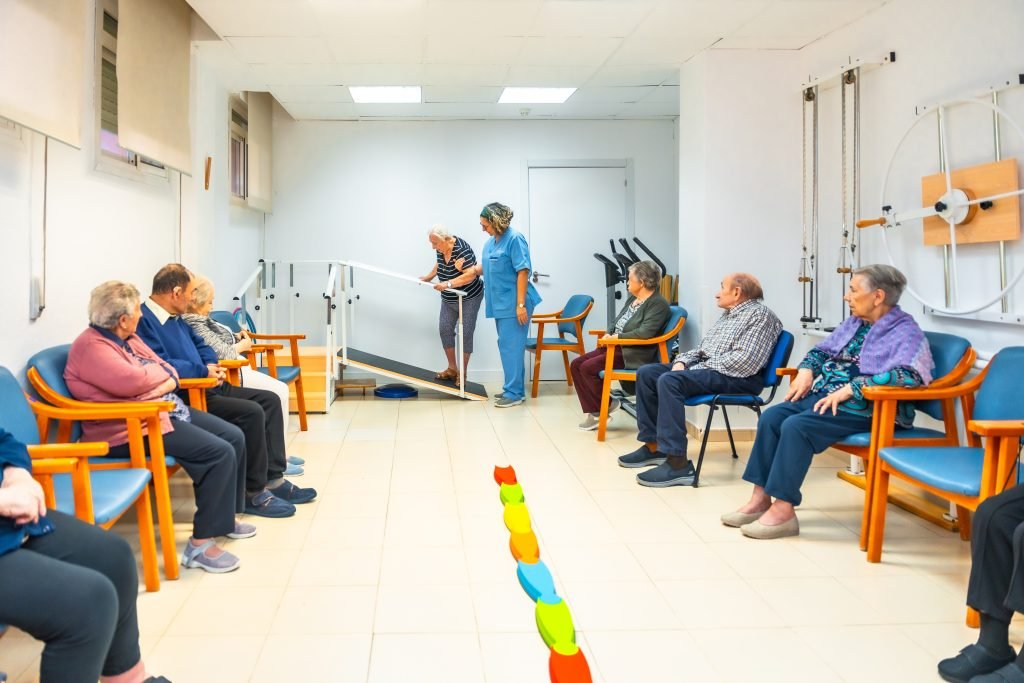
A rehabilitation center offers structured programs and services designed to restore mobility, function, and independence. These facilities often have specialized staff, including physical therapists, occupational therapists, and speech-language pathologists, working together to create individualized care plans. Choosing the right center involves evaluating whether the services align with your specific health goals. Beyond clinical care, many centers also provide emotional support and education to help patients and families navigate the recovery process with confidence.
Determining Your Rehabilitation Goals
Before selecting a rehabilitation center, it’s essential to define your recovery goals clearly. Are you aiming to regain strength after surgery, improve speech following a stroke, or adapt to daily activities after an injury? Understanding your goals helps you and the care team determine the most effective treatment approach. Setting specific, measurable objectives allows progress to be tracked more effectively throughout your rehabilitation journey. Clear goals also empower you to stay motivated and actively engaged in your recovery process.
Location and Accessibility of the Rehabilitation Center
For many individuals, proximity plays a major role in the decision-making process. A conveniently located rehabilitation center not only makes travel easier for you but also allows family members to visit and provide ongoing support. Accessibility features, such as wheelchair ramps and adapted equipment, can further enhance comfort and independence during your stay. Considering the surrounding environment, such as parking availability and public transportation, can also significantly impact daily convenience. Choosing a center that prioritizes accessibility ensures a smoother and more positive overall recovery experience.
Evaluating the Quality of Care in a Rehabilitation Center
The quality of care should be a top priority when choosing a facility. Look into the center’s staff credentials, patient outcomes, and adherence to best practices. A rehabilitation center with a strong reputation for patient success is more likely to deliver effective and compassionate care.
Staff Expertise and Training
Highly trained staff can ensure therapies are delivered safely and effectively. Ensure the center employs certified and licensed professionals who have experience in treating your specific condition.
Patient-to-Staff Ratio
A lower patient-to-staff ratio often means more personalized attention. This can result in better monitoring, quicker progress adjustments, and stronger therapeutic relationships. It also helps create a more comfortable environment where patients feel heard and supported throughout their recovery.
Accreditation and Licensing
Accreditation from recognized organizations shows the center meets high industry standards. Proper licensing ensures the facility complies with state regulations and safety requirements.
Types of Therapies Offered at a Rehabilitation Center
Not all rehabilitation centers provide the same services. While some may focus primarily on physical rehabilitation, others offer comprehensive programs including occupational therapy, speech therapy, and cognitive rehabilitation. The right mix of therapies ensures all aspects of recovery are addressed.
Physical Therapy Programs
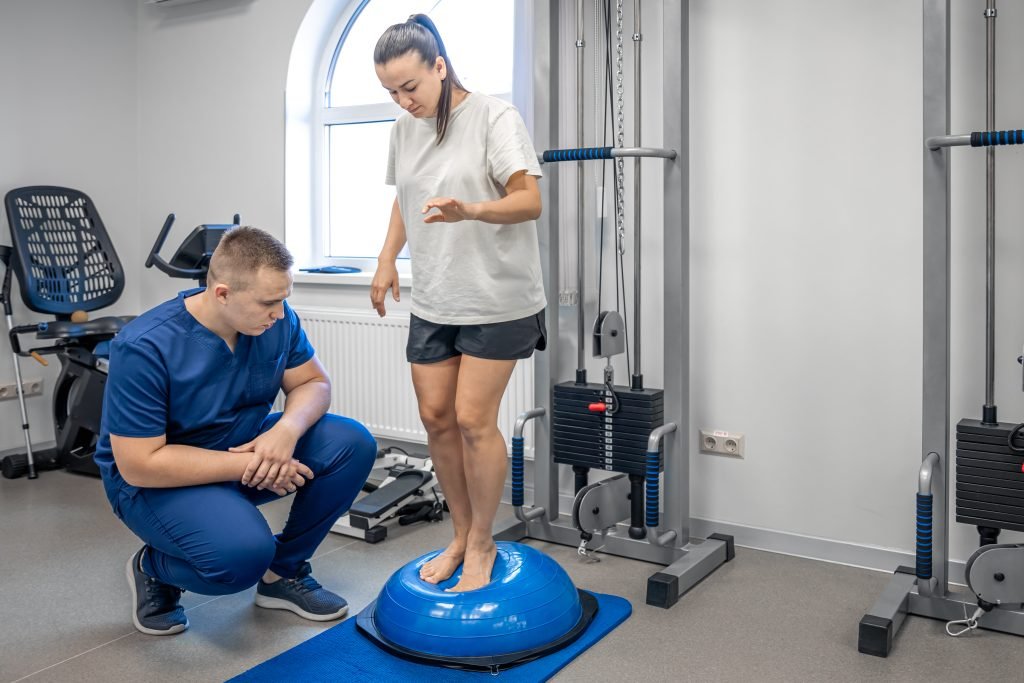
Physical therapy helps restore movement, strength, and flexibility after injury or surgery. A strong program will include exercises tailored to your current abilities and future goals. Consistent participation in these sessions can significantly speed up recovery and reduce the risk of future complications.
Occupational Therapy Services
Occupational therapy focuses on improving daily living skills. This may include strategies for dressing, cooking, and working safely despite physical limitations. By addressing both physical and cognitive challenges, occupational therapy helps individuals regain independence and confidence in everyday life.
Speech and Language Therapy
If you have experienced speech or swallowing difficulties, speech therapy can be critical. Skilled therapists use evidence-based techniques to improve communication and swallowing function. Progress in this area not only enhances quality of life but also fosters better social connections and overall well-being.
Rehabilitation Center Amenities and Environment
The environment in which you recover can influence your motivation and comfort. Some rehabilitation centers provide private rooms, communal spaces for social interaction, and access to outdoor areas for recreation. A pleasant, supportive atmosphere can encourage consistent participation in therapy. Modern facilities may also feature wellness amenities such as gyms, pools, or meditation areas that enhance the healing process. The right environment fosters not only physical progress but also emotional resilience during recovery.
Considering Inpatient vs. Outpatient Rehabilitation Center Programs
Your needs will determine whether an inpatient or outpatient rehabilitation program is most appropriate. Inpatient centers offer round-the-clock care and are ideal for those who require intensive support. Outpatient centers are better suited for individuals who can manage daily living but still need regular therapy sessions.
Benefits of Inpatient Rehabilitation
Inpatient care ensures continuous access to medical and therapeutic staff. This level of support can be particularly beneficial for those recovering from major surgeries or severe injuries. It also provides a highly structured environment that keeps patients focused on recovery without outside distractions.
Advantages of Outpatient Rehabilitation
Outpatient care allows patients to continue living at home. It offers flexibility while still providing structured therapy sessions several times a week. This option is ideal for individuals with strong support systems who can manage daily responsibilities alongside treatment.
Costs and Insurance Coverage for a Rehabilitation Center
Financial considerations are often a deciding factor in choosing a rehabilitation center. Understanding the cost of services and what your insurance covers can help avoid unexpected expenses. Speak directly with the facility’s financial department to clarify payment options and potential out-of-pocket costs. Some centers may also provide financial assistance programs or payment plans to ease the burden. Taking the time to understand these details fully ensures that you can focus on recovery without added financial stress.
The Role of Family Involvement in a Rehabilitation Center
Family participation can play a vital role in the recovery process. Some rehabilitation centers encourage family members to attend therapy sessions or participate in education programs. This approach fosters understanding, support, and continuity of care once you return home. Active family involvement can also motivate patients to stay engaged and committed to their treatment plan. Additionally, families often benefit from learning coping strategies that help them provide better support at home.
Touring and Interviewing Rehabilitation Centers
Before making a final decision, arrange tours of your top choices. Visiting a rehabilitation center in person allows you to assess cleanliness, observe staff interactions, and see facilities firsthand. Speaking with current patients and their families can also provide valuable insight into the center’s day-to-day environment.
Observing the Therapy Spaces
Well-equipped therapy rooms with modern tools and technologies can enhance your rehabilitation progress. Look for organized, clean spaces that encourage safe and effective exercise. A well-maintained environment reflects the center’s commitment to patient safety and high-quality care.
Asking the Right Questions
Prepare questions about staff qualifications, treatment approaches, and success rates. This ensures that you get a complete understanding of the center’s capabilities. Asking about patient follow-up and long-term outcomes can also provide valuable insight into the effectiveness of their programs.
Trusting Your Instincts
Your overall comfort and confidence in the facility are essential. If something feels off during your visit, it may not be the right fit for you. Trusting your intuition can help you choose a center where you’ll feel supported and motivated throughout recovery.
Tracking Progress in a Rehabilitation Center
Monitoring your progress during recovery is essential to ensuring you’re on the right path. A quality rehabilitation center will have clear systems for measuring improvements, whether through regular assessments, progress notes, or goal reviews with your therapy team. These check-ins allow your care plan to adapt as your abilities evolve, preventing plateaus and addressing challenges quickly. Open communication between you and your therapists is key, as it helps you stay motivated and informed about each milestone. By tracking progress consistently, you’ll have a clearer picture of how far you’ve come and what steps remain in your recovery journey.
Making the Choice for Your Rehabilitation Center
After gathering information, compare the centers based on quality of care, services offered, environment, and cost. Select the facility that aligns most closely with your medical needs, personal preferences, and recovery goals. Remember, the right rehabilitation center is more than just a treatment location—it’s a partner in your journey toward a healthier future. Taking the time to make an informed decision can greatly improve both your experience and your long-term recovery outcomes.
Check out our Oasis Rehabilitation Services blog to learn more about what a rehabilitation center can do so you can make the best choice for your health journey.