

A child’s injury, developmental delay, or condition can impact everything from their play to their learning and eating habits. The impact isn’t always noticeable, but it becomes evident in even the most minor tasks. Many parents hear “occupational” and “physical” therapies and assume they’re interchangeable. However, each one supports different needs in a child’s growth and recovery. Knowing the difference helps you choose the proper support for your child’s future.
The Difference Between Occupational and Physical Therapy
Occupational and physical therapy both help children overcome challenges, but they do so in different ways. One focuses on how a child interacts with their environment and performs daily tasks. The other targets how their body moves and builds strength or balance. Knowing which one your child needs starts with understanding how they differ in purpose and practice:
What Occupational Therapy Focuses On
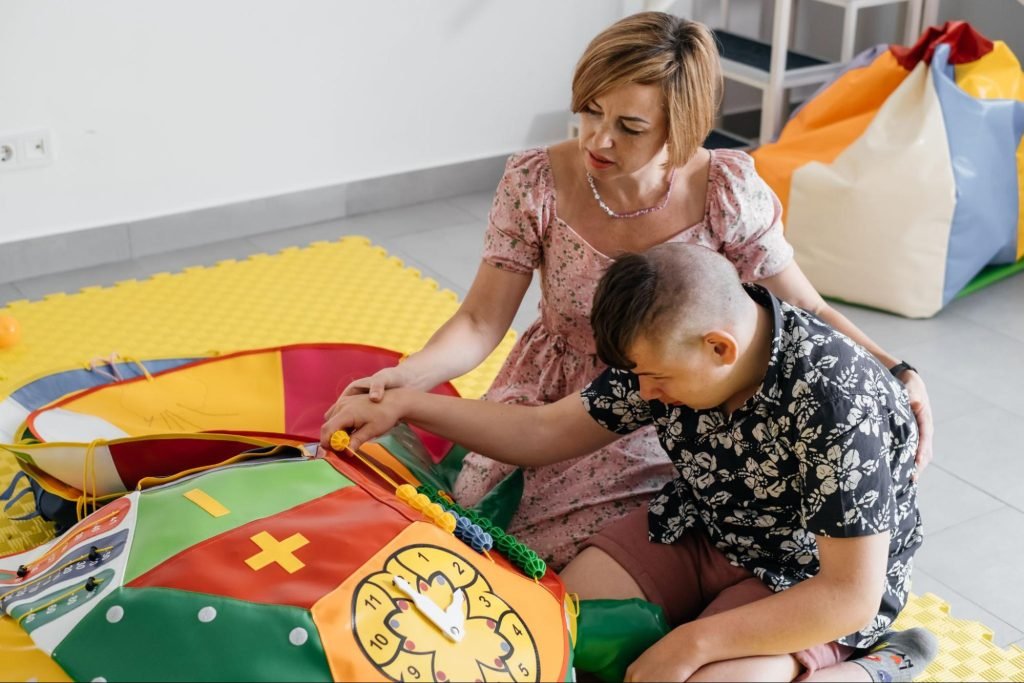
Occupational therapy (OT) helps children develop the skills they need to participate in daily life. That includes dressing, handwriting, feeding, or even social play. Therapists assess how physical, sensory, or cognitive challenges affect everyday routines. They then use play-based activities and adaptive tools to support progress. The goal is to build independence and confidence in age-appropriate tasks.
How Physical Therapy Helps Children Move and Grow
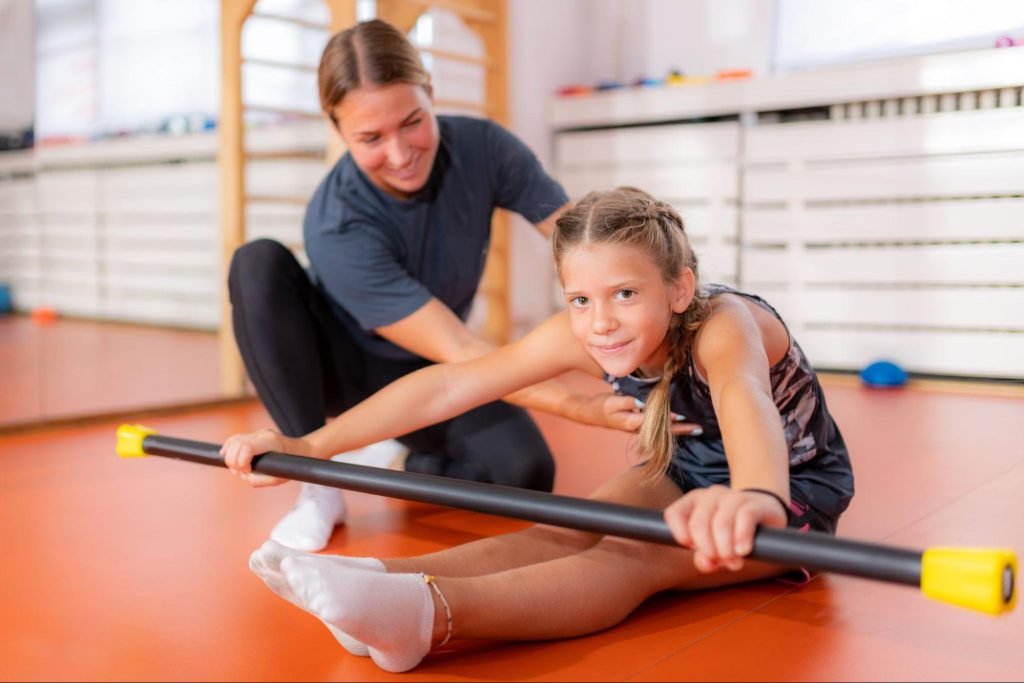
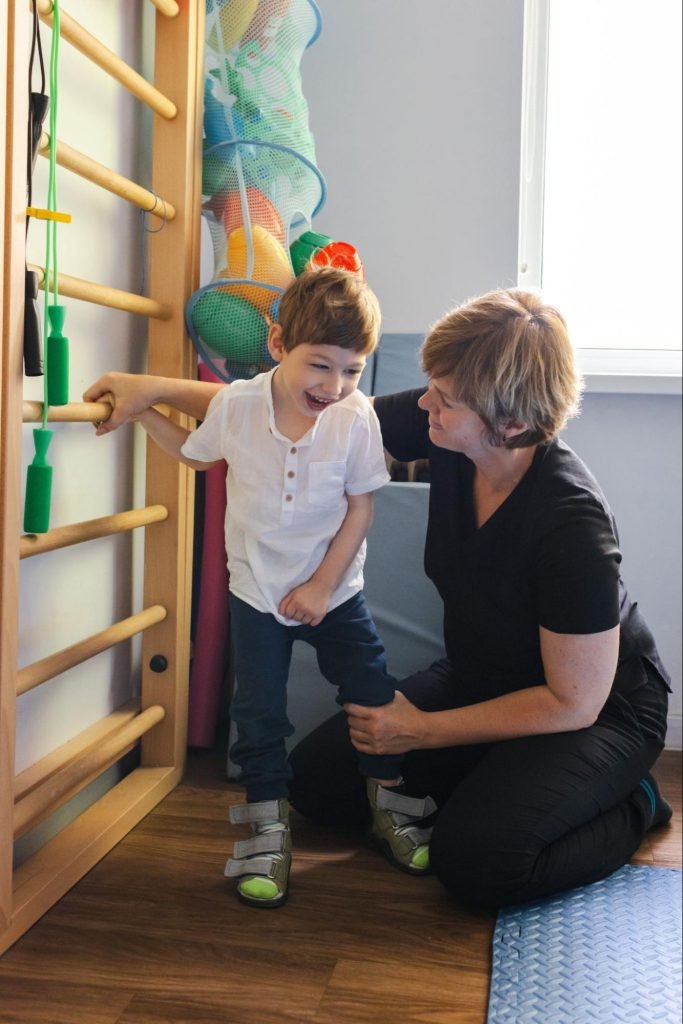
Physical therapy (PT) helps children move their bodies with greater strength, coordination, and stability. It targets posture, walking, muscle tone, and balance. Therapists use fun, child-friendly exercises to support mobility and reduce physical discomfort. This therapy helps children recover from injuries or manage conditions such as cerebral palsy or developmental delays. It’s about helping the body move safely and effectively.
Key Differences Between Occupational and Physical Therapy
Both therapies play a role in helping children reach developmental milestones. However, their goals, tools, and outcomes differ. Occupational therapy focuses on how a child uses their body and mind in everyday activities. Physical therapy focuses on how the body functions during movement. Understanding this difference is the first step in providing them with the proper support:
Goals and Outcomes
Occupational therapy helps kids become more independent in their daily lives. It could include brushing their teeth, using school supplies, or playing with peers. Physical therapy, on the other hand, supports gross motor skills such as walking, jumping, or sitting upright. A child recovering from a leg injury may first rebuild strength with physical therapy. Then, they might work with an occupational therapist to safely return to activities like dressing and climbing onto the playground.
Techniques and Tools Used
Physical therapists often use stability balls, resistance bands, or obstacle courses to help kids improve strength and movement. Occupational therapists might use pencil grips, weighted vests, or textured toys to support coordination and sensory processing. Both use play to keep kids engaged, but each tool targets a specific skill set. Physical therapy focuses on body mechanics, while occupational therapy supports daily functioning.
Type of Conditions Treated
Physical therapy commonly addresses conditions like muscular dystrophy, torticollis, or sports-related injuries. It’s often prescribed after orthopedic procedures or for delays in gross motor milestones. Occupational therapy helps with conditions like autism, sensory processing disorder, or fine motor delays. Children who struggle with tasks such as buttoning clothes, attending to details, or feeding often benefit from occupational therapy. Many children may need both, depending on their unique challenges.
Training Behind Occupational and Physical Therapies
Parents often don’t see the education behind the care their child receives. However, both occupational and physical therapists undergo extensive training. Their credentials demonstrate a profound understanding of how to effectively treat children with physical, cognitive, and sensory needs. Knowing their background can give parents confidence in the process:
Occupational Therapists
Pediatric occupational therapists typically hold a master’s or doctoral degree in occupational therapy. Their training includes child development, sensory integration, and behavior strategies. They must pass a national certification exam and complete supervised fieldwork. Many pursue additional training in early intervention, autism care, or feeding therapy. Their expertise allows them to design play-based interventions that address developmental delays and daily challenges.
Physical Therapists
Pediatric physical therapists earn a Doctor of Physical Therapy (DPT) degree. Their education focuses on movement science, pediatric anatomy, and neurodevelopment. After graduation, they pass a national licensure exam and often work in clinics, hospitals, or schools. Many also receive advanced training in early childhood mobility or neurological rehabilitation. Their role is to help kids move safely, efficiently, and with confidence.
Why the Difference Between Occupational and Physical Therapy Counts
Choosing the right therapy for your child can be a challenging task. Sometimes, symptoms overlap or affect more than one area of development. Understanding how each therapy helps can clarify where to begin. It’s not just about the diagnosis; it’s about what your child needs help with most.
Based on Injury or Condition
A child recovering from surgery may need both therapies. Physical therapy supports strength and motion. Occupational therapy helps them regain everyday skills, such as using their hands or self-feeding. Children with conditions like cerebral palsy or Down Syndrome often receive care from both specialists. The right balance depends on how the condition affects movement and function.
Based on Daily Needs
Is your child struggling with stairs or riding a bike? That points to physical therapy. Are they having trouble holding crayons, brushing their teeth, or staying focused during tasks? That’s where occupational therapy is most helpful. If daily routines feel like obstacles, it’s time to ask how each treatment might help. Your child’s success starts with identifying what’s holding them back.
Real-Life Difference Between Occupational and Physical Therapy
Examples from everyday pediatric care make the therapies easier to understand. They show how specific needs shape the treatment plan. Both therapies often work together, but their roles remain distinct. These real-life scenarios help parents picture what care looks like in action.
Recovery After a Pediatric Surgery
After a child undergoes surgery, such as a tendon repair or fracture repair, physical therapy helps restore mobility. Therapists help improve flexibility, walking patterns, and muscle strength. Occupational therapy may follow, enabling the child to regain independence in activities such as dressing, writing, or feeding. The two work in tandem, but one focuses on movement and the other on day-to-day tasks. This coordinated care helps children return to their routines more quickly.
Supporting a Child With Autism
A child on the autism spectrum may receive both therapies for different reasons. Physical therapy addresses core strength, coordination, and posture. Occupational therapy aids in sensory integration, the development of fine motor skills, and self-care. While PT might help the child learn to jump or balance, OT could help with focus and dressing. Together, they support the child’s ability to function and thrive in both home and school settings.
How to Decide Between Occupational and Physical Therapy
Parents often wonder where to start. Should they ask for an OT, a PT, or both? The answer depends on the child’s needs, and sometimes, it takes a team to determine that. Knowing what to look for helps guide the next step:
Speak to a Healthcare Provider
Pediatricians, neurologists, or school specialists can help identify therapy needs. They consider the child’s development, medical history, and how delays impact daily life. Often, a referral results in a comprehensive evaluation. Based on these results, a child may start with one therapy or a combination of therapies. Rehabilitation services often coordinate with these providers to ensure each child receives the most appropriate care. Trust the professionals who know how to match therapy to need.
Evaluate Developmental Milestones
Parents can also reflect on what their child struggles with. Is it running, jumping, or balancing? PT may be the right fit. Is it handwriting, attention, or getting dressed? OT may offer better support. Watching how your child plays, moves, and handles everyday tasks can reveal what kind of help is needed. That insight can be the first step toward meaningful progress.
Age-Based Difference Between Occupational and Physical Therapy
Children at different stages of development grow and struggle in distinct ways. A toddler’s needs differ from those of a school-aged child or a teenager. Therapy adapts to these stages with specific goals. Understanding how therapy changes with age helps parents see the whole picture:
Therapy for Infants and Toddlers
Young children may show delays in crawling, walking, or using their hands. Physical therapy focuses on core strength, movement patterns, and motor development. Occupational therapy supports early play, feeding skills, and sensory exploration. Both therapies utilize toys, textures, and routines to engage young children. Early intervention at this stage can reshape a child’s entire developmental path.
Therapy for School-Aged Children
School-age kids face academic, social, and physical challenges. Physical therapy can support good posture for classroom seating and help individuals maintain their physical education (PE) performance. Occupational therapy can help with handwriting, attention span, and managing sensory overload. A child struggling with zippers or tying shoes may benefit from occupational therapy, while one who trips often might need physical therapy. Therapy at this stage focuses on building confidence and independence.
Therapy for Teens and Adolescents
Older children may continue to experience ongoing needs related to childhood conditions or new injuries resulting from sports or growth changes. Physical therapy helps with joint stability, strength, and injury recovery. Occupational therapy may support time management, self-care, or learning strategies. Teen therapy often focuses on preparing for independence and learning to manage complex tasks. At this age, therapy becomes more personalized and goal-driven.
Move Forward by Knowing the Difference Between OT and PT
Delays don’t just slow your child down; they shape how they feel, learn, and interact with others. You don’t have to wait for milestones to be missed before seeking help. The difference between occupational and physical therapy is practical, personal, and vital to your child’s growth, not just technical. Move forward with a care plan tailored to your child’s unique needs, strengths, and future goals. The right step today can build lifelong confidence tomorrow.
Keep learning with the Oasis Rehabilitation Services blog. Explore expert tips, family guidance, and therapy insights made for growing minds.