

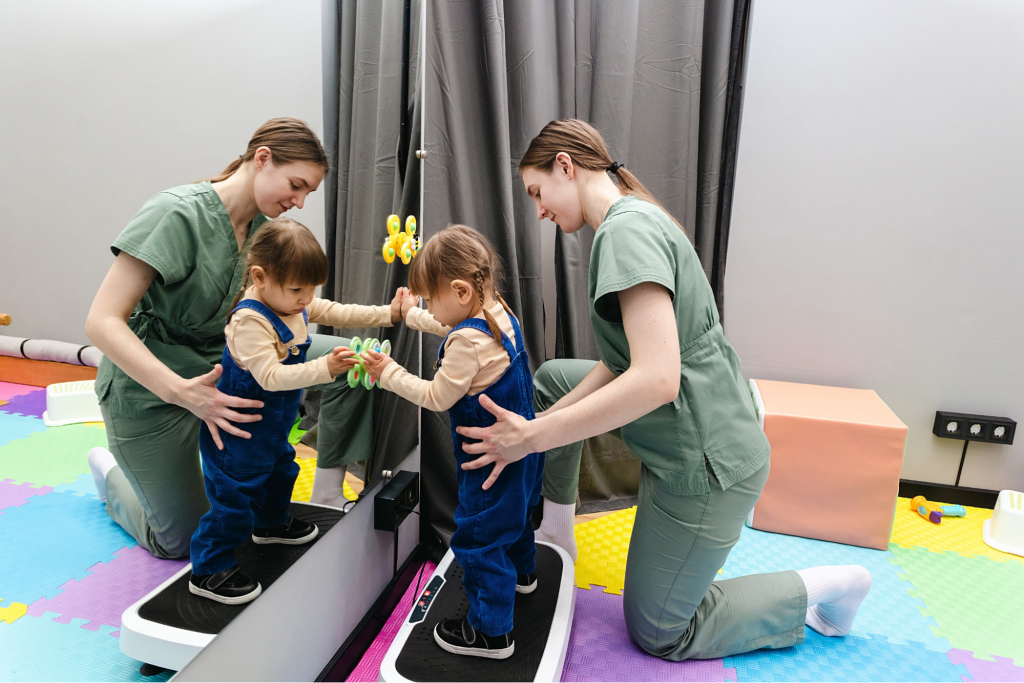
Childhood development is filled with exciting milestones, from a baby’s first steps to a toddler’s ability to climb stairs. These achievements mark growth, coordination, and the foundation of independence. However, when those milestones are delayed or difficult, they may raise concerns. In many of these situations, pediatric physical therapy can play a transformative role. This specialized care helps children overcome physical challenges by enhancing their strength, coordination, and overall mobility.. It supports children facing developmental delays, medical conditions, injuries, or difficulties with motor skills. Recognizing the signs that a child might benefit from this type of care can make all the difference in their ability to thrive physically, emotionally, and socially.
Understanding Pediatric Physical Therapy
Pediatric physical therapy focuses on helping infants, toddlers, and older children build and improve their gross motor skills. It addresses mobility, strength, balance, flexibility, and posture issues. Therapists use engaging, child-friendly activities to make therapy fun and effective. A session may look like playtime from the outside, but behind every activity is a carefully designed strategy to improve the child’s physical function. The goal is to correct movement problems and prevent future issues, enhance independence, and promote participation in everyday activities. Whether a child is recovering from surgery, has a chronic condition, or simply struggles with coordination, pediatric physical therapy can provide the tools they need to move through life with confidence.
Signs Your Child May Need Pediatric Physical Therapy
Understanding what physical therapy is will help you understand when your child may benefit from it. Knowing the signs of physical delays or injuries may also help. These signs may tell you that your child needs physical therapy:
Delayed Developmental Milestones
One of the most evident signs that a child may need pediatric physical therapy is a delay in meeting age-appropriate milestones. Every child develops at their own pace, but specific timeframes serve as general benchmarks. If a baby is not sitting up by eight months, crawling by eleven months, or walking by fifteen to eighteen months, it may signal a delay in motor development. These delays can stem from various causes, including muscle weakness, neurological conditions, or a lack of movement experience. Therapists can assess whether these delays are within a typical range or if intervention is needed. They design therapy sessions that encourage strength-building and movement patterns that help children catch up developmentally while building their confidence and curiosity about the world.
One-Sided Movement Preferences
Parents may notice that their child consistently uses one side of their body more. For example, a child might always reach with the same hand, turn their head only in one direction, or crawl by dragging one leg. These signs can indicate asymmetry in muscle development, tightness in muscles or joints, or even early signs of a neurological issue. Pediatric physical therapy focuses on promoting balanced and symmetrical movement patterns. Therapists use positioning strategies, strength exercises, and play-based tasks to encourage the use of both sides of the body, which is essential for long-term mobility and coordination.
Poor Balance and Coordination
Some children struggle with coordination and balance more than their peers. They may appear awkward during physical play, fall frequently, or have difficulty running, jumping, or climbing. These children might avoid playgrounds or physical games because their bodies don’t respond as quickly or efficiently as they’d like. Issues with balance and coordination may be related to low muscle tone, delayed motor planning, or problems with sensory processing. Pediatric physical therapists help by designing exercises that gradually build strength, coordination, and balance in a fun and non-threatening way. Over time, children become more confident and eager to engage in physical activity.
Abnormal Walking Patterns
While many toddlers initially walk with unusual gaits, persistent patterns require attention. Toe-walking beyond the age of two is one example. It may be linked to tight Achilles tendons, sensory sensitivities, or conditions like cerebral palsy or autism. Other walking issues, such as in-toeing, out-toeing, limping, or dragging one leg, can also signal an underlying challenge. A pediatric physical therapist can evaluate your child’s gait and determine whether it’s part of normal development or if intervention is needed. Therapy may include stretching exercises, strengthening routines, and movement training to support healthy walking patterns that reduce the risk of injury and promote independence.
Slouched Posture or Weak Core
Children with weak core muscles often have poor posture and may struggle to sit up straight for extended periods. This may be most noticeable in school-aged children who slouch at their desks or seem to tire quickly during seated tasks. Younger children with poor core strength may have difficulty maintaining upright sitting positions or performing physical tasks that require balance and stability. Core strength is essential for nearly every physical movement a child makes. Pediatric physical therapy provides structured exercises to build trunk stability and improve postural control. With improved core strength, children find it easier to engage in classroom activities, play with friends, and move confidently in their environments.
Frequent Falling or Clumsiness
Children who frequently fall or appear clumsy may struggle with motor planning, muscle tone, or coordination. Occasional tumbles are normal in early childhood, but if a child continues to trip over their feet, bump into furniture, or drop objects well into their preschool or elementary years, there may be a deeper issue. Pediatric physical therapists can evaluate the child’s gross motor skills and help them develop better control, stability, and coordination. As therapy progresses, parents often notice fewer falls and a noticeable boost in their child’s confidence in physical settings.
Recovery from Injury or Surgery
Whether a child has had a broken bone, a sports injury, or surgery, recovery can be difficult without proper support. Physical therapy is often a critical component in the healing process. It helps restore strength, range of motion, and standard movement patterns. Without this guidance, children may overcompensate, favor one side of the body, or experience long-term weakness or stiffness. Pediatric physical therapy programs are carefully tailored to match the child’s stage of recovery. The therapist ensures the child regains function while minimizing pain and discomfort. By rebuilding strength and flexibility safely, therapy allows children to return to their daily routines, sports, and play without limitation.
Diagnosed Neurological or Genetic Conditions
Some children face physical challenges due to diagnosed medical conditions such as cerebral palsy, spina bifida, muscular dystrophy, or Down Syndrome. These conditions can affect muscle tone, joint mobility, balance, and movement control. Pediatric physical therapy is a cornerstone of care for many of these children. Therapists work on mobility, motor skill acquisition, and independence. With regular therapy, many children with complex medical conditions achieve greater physical function than expected, allowing them to participate more fully in school, family life, and recreational activities.
Sensory and Motor Processing Difficulties
Children with sensory processing disorders may struggle with how their bodies interpret and respond to physical sensations. They may avoid movement, be hypersensitive to touch or textures, or appear uncoordinated in physical tasks. Motor planning—the ability to conceive, plan, and execute movement—can also be affected. Pediatric physical therapy incorporates movement-based and sensory strategies in these cases to help the child build body awareness and improve functional movement. Activities are designed to calm the nervous system, build confidence, and make movement more predictable and comfortable.
Struggles With School or Play Activities
When a child struggles with everyday physical tasks such as carrying a backpack, climbing on playground equipment, or participating in gym class, it may be more than just a lack of interest. Sometimes, these behaviors stem from physical challenges that make participation difficult or even painful. Rather than labeling the child as unathletic or uninterested, it’s worth exploring whether pediatric physical therapy can help. Therapy sessions are fun and empowering, assisting children to build the skills they need to enjoy physical activity and engage confidently with peers.
Pediatric Physical Therapy for Infant Development Support
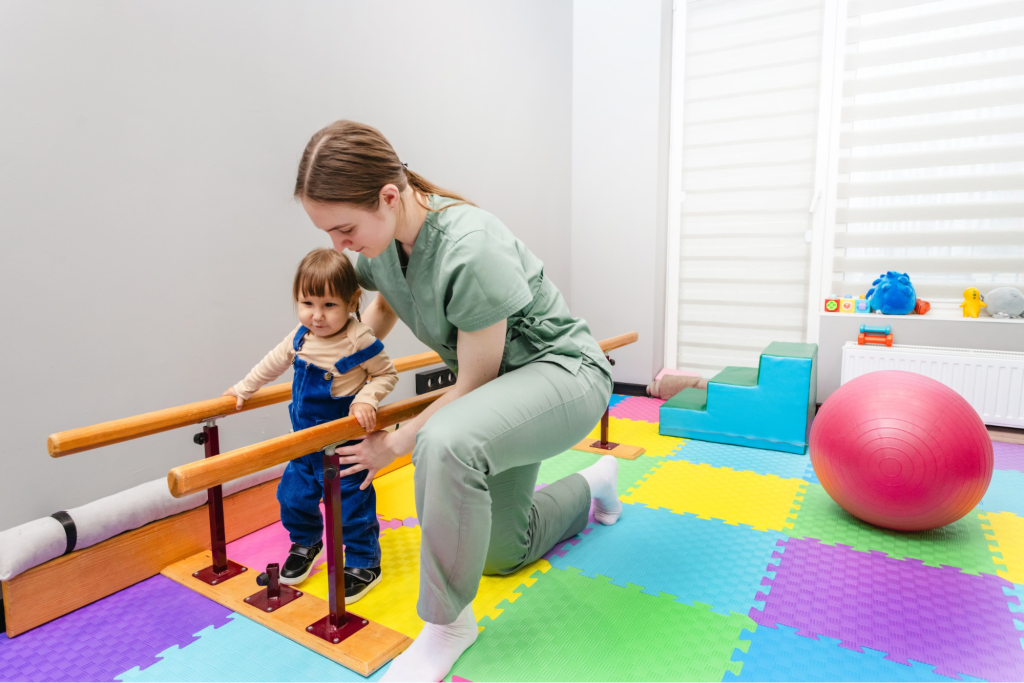
Even infants may benefit from pediatric physical therapy. Treatment can begin in the first few months of life if a baby has a flattened head shape, limited neck movement, stiffness, floppiness, or trouble during tummy time. Early intervention is critical because babies grow and change rapidly. Addressing issues early can help avoid long-term developmental delays. Therapists work closely with parents, providing exercises and guidance that can be incorporated into daily routines. This collaborative approach ensures that progress continues between sessions and families feel supported in their child’s development.
What Happens During Pediatric Physical Therapy
An initial evaluation comprehensively assesses the child’s muscle tone, strength, balance, coordination, and motor skills. The therapist will ask questions about the child’s history, development, and current challenges. From there, a personalized treatment plan is developed. The child’s interests and needs guide each therapy session. Activities might include climbing, crawling, stretching, jumping, or balancing — all disguised as fun games. The therapist will also provide parents with activities and advice to support progress at home. Progress is typically measured over time, not in immediate changes. However, families often notice increased confidence, improved physical abilities, and a greater willingness to engage in physical play.
Physical Therapy and The Importance of Parental Involvement
Pediatric physical therapy works best when parents are actively involved. The therapist may recommend activities at home, provide tips on supporting proper posture, or suggest modifications to the child’s daily routine to encourage movement. Parents become valuable partners in the therapy process, helping reinforce lessons and celebrate successes. By observing therapy sessions and communicating regularly with the therapist, parents can become advocates for their child’s physical development and create a supportive and encouraging environment at home.
When to Seek an Evaluation for Pediatric Physical Therapy
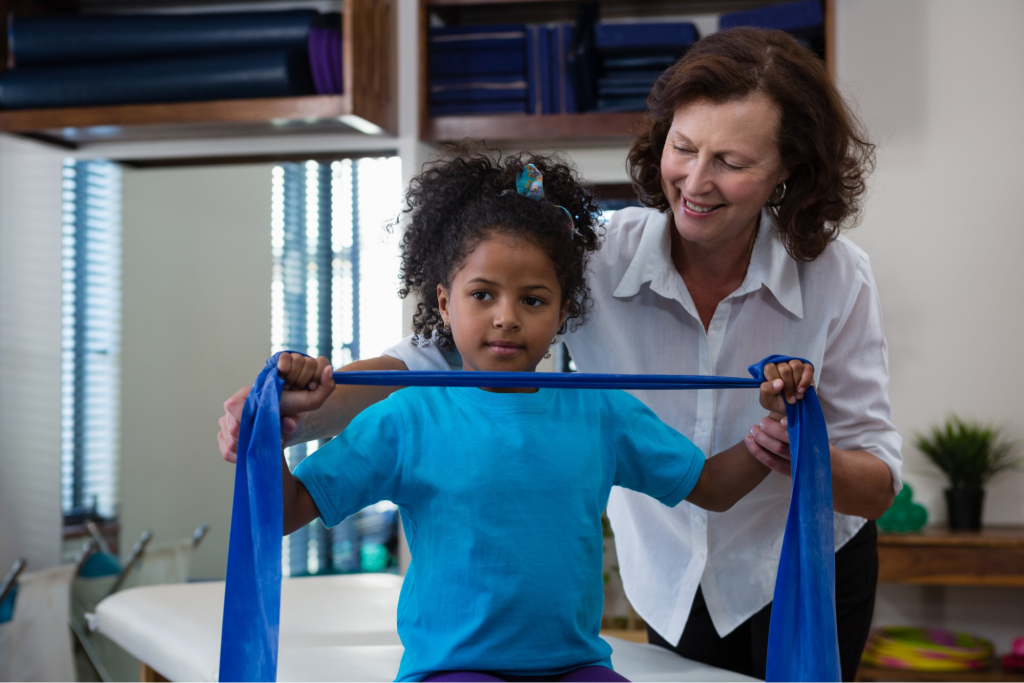
If you’re concerned about your child’s movement, development, or physical confidence, it’s always better to seek guidance sooner rather than later. You don’t need to wait for a formal diagnosis or a doctor’s referral to get started. Early intervention has been shown to have the most significant impact, especially during a child’s formative years. A pediatric physical therapy evaluation can clarify whether your child has a medical condition, is recovering from an injury, or doesn’t seem to keep up physically. It may reveal that your child is developing normally or open the door to helpful support that could dramatically improve their quality of life.
Help Your Child Move Forward With Pediatric Physical Therapy
Every child deserves the chance to move confidently, explore the world freely, and engage fully in play, learning, and social interaction. Pediatric physical therapy offers a compassionate, effective path forward when physical challenges get in the way. It’s not just about exercises — it’s about unlocking potential, building independence, and nurturing self-esteem. Recognizing the signs early and seeking help can empower your child to overcome challenges and fully develop their capabilities. Whether the goal is walking for the first time, recovering from an injury, or simply feeling comfortable on the playground, pediatric physical therapy can be the key to a brighter, more active future.
For more information about pediatric physical therapy, visit the Oasis Rehabilitation Services blog.