
Therapy helps individuals regain function, manage pain, and improve their quality of life. Occupational therapy (OT) and physical therapy (PT) are often mistaken for one another, but they serve distinct purposes. OT focuses on enhancing daily activities and independence, while PT emphasizes movement, strength, and mobility. Though you don’t need these therapies or do not find it necessary, recognizing the differences between these fields will help you in the future. Choosing the right approach for specific needs, including recovery after an injury, managing a chronic condition, or improving overall well-being, will help you make informed decisions and understand your health.
Understanding Occupational Therapy vs. Physical Therapy
Occupational and physical therapies help individuals improve their daily function and mobility, but they focus on different aspects of recovery. OT addresses activities of daily living (ADLs) and fine motor skills, while PT concentrates on movement, strength, and pain management. Understanding their differences provides clarity on which therapy best suits specific needs.
What is Occupational Therapy?
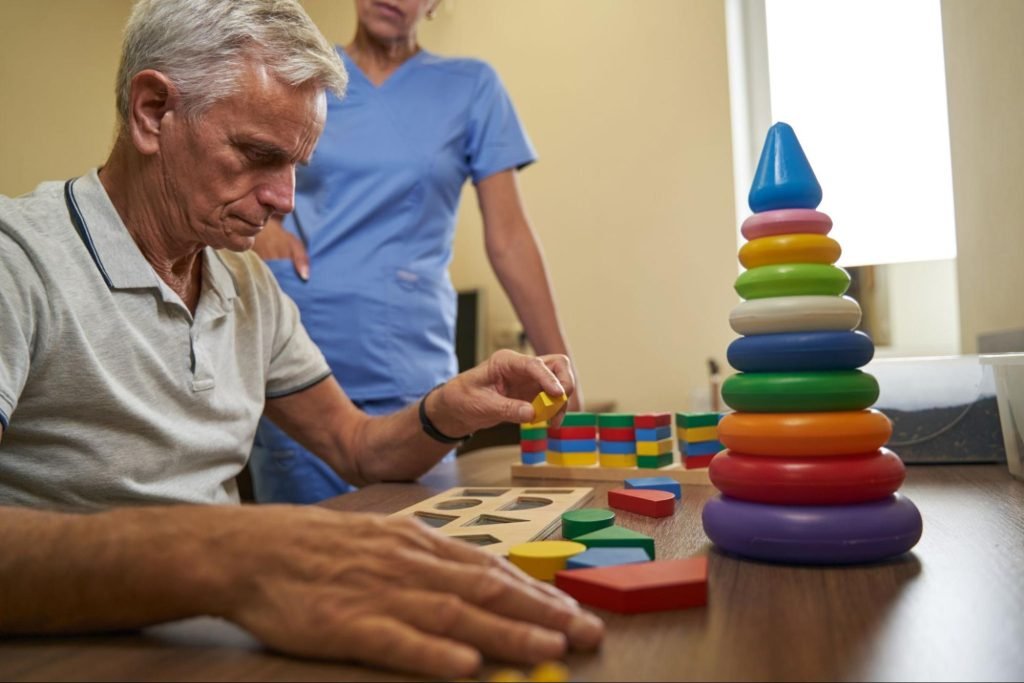
Occupational therapy helps individuals develop, regain, or maintain the skills needed for daily activities. It focuses on improving independence in personal care, work, and leisure by addressing physical, cognitive, and sensory challenges. Therapists use specialized techniques, exercises, and adaptive tools to enhance daily function.
Conditions That Often Require Occupational Therapy
Many individuals benefit from occupational therapy when facing challenges related to mobility, cognitive function, or daily tasks. It is commonly recommended for those recovering from injuries, managing chronic conditions, or adapting to disabilities. OT helps individuals regain control over essential home, school, or work activities.
Stroke Recovery
A stroke can affect movement, coordination, and cognitive abilities, making daily tasks difficult. Occupational therapy helps stroke survivors regain independence by improving fine motor skills, memory, and problem-solving. Therapists also introduce adaptive tools to assist with dressing, eating, and writing tasks.
Autism Spectrum Disorder (ASD)
Children and adults with ASD may struggle with sensory processing, motor coordination, and social interactions. Occupational therapy provides structured activities that enhance fine motor skills, improve sensory regulation, and build daily routines. These interventions help individuals develop greater independence and confidence in social settings.
Arthritis and Joint Conditions
Chronic pain and stiffness from arthritis can make daily tasks challenging. Occupational therapists teach joint protection techniques, recommend adaptive equipment, and guide patients through exercises to maintain flexibility. These strategies reduce strain on joints and improve comfort during everyday activities.
Traumatic Brain Injury (TBI)
A brain injury can affect memory, coordination, and the ability to perform basic tasks. Occupational therapy helps individuals regain cognitive skills, relearn essential activities, and adapt to their environment for easier navigation. Personalized strategies assist with organization, time management, and mobility.
Spinal Cord Injuries
Injuries to the spinal cord can impact movement and daily function. Occupational therapy introduces adaptive techniques and assistive devices to help individuals regain independence. Training focuses on wheelchair use, dressing, and safely transferring between surfaces.
Occupational Therapy Types of Interventions
Occupational therapists use a range of interventions to improve daily function and independence. These interventions address physical limitations, cognitive challenges, and sensory issues to help individuals manage daily activities effectively. Each approach is tailored to the individual’s specific needs.
Fine Motor Skill Training
Writing, buttoning clothes, and using utensils require precise hand movements. Occupational therapists use exercises to strengthen hand muscles and improve coordination. These activities enhance dexterity, making daily tasks easier.
Cognitive and Memory Training
Cognitive challenges can affect problem-solving, organization, and memory. Occupational therapy includes exercises and strategies to enhance cognitive function, such as memory aids and structured routines. These techniques help individuals manage daily responsibilities more effectively.
Sensory Integration Therapy
Individuals with sensory processing issues may struggle with certain sounds, textures, or movements. Sensory integration therapy exposes them to controlled stimuli in a structured way to improve sensory tolerance. This intervention helps individuals become more comfortable in different environments.
Adaptive Equipment Training
Specialized tools can make daily activities easier for individuals with physical limitations. Occupational therapists introduce adaptive equipment such as modified utensils, dressing aids, and ergonomic tools. Proper training ensures patients use these devices effectively.
Environmental Modifications
Adjusting the home or workplace can improve accessibility and safety. Occupational therapists recommend modifications like grab bars, widened doorways, and ergonomic workstations, which help individuals navigate spaces with greater ease and confidence.
What is Physical Therapy?
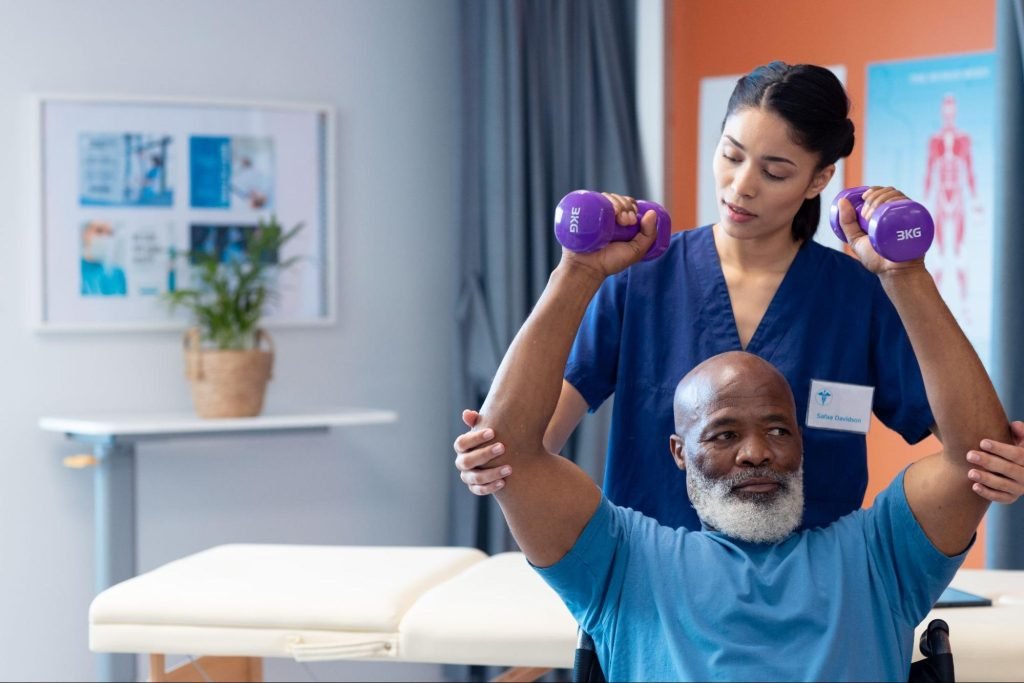
Physical therapy focuses on improving movement, strength, and pain relief through targeted exercises and hands-on techniques. It helps individuals recover from injuries, regain mobility after surgery, and manage chronic conditions affecting movement. Therapists develop personalized treatment plans to restore physical function and prevent further injury.
Conditions That Often Require Physical Therapy
Physical therapy benefits individuals experiencing pain, mobility issues, or recovery challenges. It is commonly recommended for those healing from injuries, managing chronic pain, or regaining strength after surgery. The goal is to restore movement, flexibility, and endurance.
Sports Injuries
Athletes often experience muscle strains, ligament tears, or joint injuries. Physical therapy includes exercises, stretching, and strengthening techniques to aid recovery. Proper rehabilitation helps prevent reinjury and improves performance.
Post-Surgical Rehabilitation
Surgeries involving joints, muscles, or bones require structured recovery plans. After knee replacements or spinal surgeries, physical therapy helps individuals regain strength, mobility, and flexibility. Therapists guide patients through progressive exercises to restore function.
Chronic Pain Conditions
Conditions like fibromyalgia, lower back pain, and arthritis can limit movement and cause discomfort. Physical therapy includes manual therapy, strengthening exercises, and posture correction to reduce pain. Long-term treatment helps individuals manage symptoms effectively.
Neurological Disorders
Diseases like Parkinson’s and multiple sclerosis affect balance, coordination, and strength. Physical therapy incorporates balance training, mobility exercises, and gait correction to improve stability. These interventions enhance independence and reduce fall risks.
Joint and Muscle Disorders
Stiffness, weakness, or misalignment in joints and muscles can impact movement. Physical therapy targets these issues with strengthening and flexibility exercises. Regular sessions help restore normal function and prevent further deterioration.
Common Therapeutic Interventions in Physical Therapy
Physical therapy includes various techniques to restore movement, improve strength, and reduce pain. These interventions are tailored to each patient’s condition, ensuring effective recovery. A combination of manual therapy, exercises, and specialized techniques helps achieve long-term results.
Manual Therapy
Hands-on techniques like massage and joint mobilization reduce pain and stiffness. Physical therapists use manual therapy to release tension, improve circulation, and restore movement. This approach is beneficial for muscle tightness and joint restrictions.
Strength and Resistance Training
Building muscle strength supports joint stability and movement. Physical therapists incorporate resistance bands, weights, and bodyweight exercises to enhance endurance. Strengthening programs help prevent injuries and improve overall function.
Stretching and Flexibility Exercises
Tight muscles and restricted movement can lead to pain and limited mobility. Physical therapy includes targeted stretching routines to improve flexibility. These exercises help maintain a full range of motion and reduce stiffness.
Balance and Gait Training
Walking difficulties and instability increase the risk of falls. Physical therapists develop balance exercises and gait retraining to improve walking patterns and help individuals regain confidence in their movements.
Electrical Stimulation Therapy
Electrical stimulation can reduce pain and promote healing in certain conditions. This technique delivers low-level electrical impulses to affected muscles or nerves, helping improve circulation, reduce inflammation, and restore muscle function.
Occupational Therapy vs. Physical Therapy: Choosing the Right One
Selecting the right therapy depends on the condition, treatment goals, and daily challenges that must be addressed. Occupational therapy focuses on improving independence in daily activities, while physical therapy targets strength, mobility, and pain relief. Evaluating symptoms, consulting professionals, and considering long-term needs help determine the most effective approach. Following key steps ensures the right therapy supports recovery and enhances overall well-being:
Assess the Primary Challenge
Difficulties with mobility, pain, or strength often indicate a need for physical therapy. Occupational therapy is better if you struggle with daily activities, fine motor skills, or cognitive function. Both therapies address different aspects of rehabilitation, so recognizing the main challenge helps narrow the choice. A clear understanding of personal limitations ensures a more effective treatment plan.
Consult a Healthcare Professional
Doctors, specialists, or rehabilitation experts provide valuable insights on the best therapy for specific conditions. Evaluating symptoms, movement restrictions, and functional difficulties helps guide the decision. Referrals to an occupational or physical therapist allow for a targeted approach to treatment. Professional recommendations ensure the therapy aligns with long-term recovery goals.
Consider Long-Term Goals
Improving mobility, reducing pain, or recovering after surgery often requires physical therapy. Occupational therapy benefits more from regaining independence in personal care, work tasks, or social interactions. Focusing on future needs helps determine which therapy will provide the most lasting impact. Choosing based on long-term goals ensures consistent progress toward a better quality of life.
Evaluate Daily Challenges
Tasks that require coordination, dexterity, or sensory adaptation often need occupational therapy. Difficulties with walking, balance, or strength point to physical therapy as the better solution. A therapist can assess daily limitations and recommend specific interventions for improvement. Addressing these challenges early helps prevent further complications.
Determine the Need for a Combined Approach
Some conditions require both occupational and physical therapy for comprehensive rehabilitation. Stroke recovery, neurological disorders, or severe injuries benefit from mobility training and daily activity adaptation. A personalized treatment plan may include elements of both therapies to maximize recovery. A dual approach ensures that both movement and functional independence improve together.
Discover the Benefits of Occupational and Physical Therapy
Recognizing the differences between occupational and physical therapy helps choose the proper support for recovery and long-term well-being. Occupational therapy focuses on improving daily activities and adapting to physical or cognitive challenges, while physical therapy enhances movement, strength, and pain relief. Identifying personal needs, consulting professionals, and considering long-term goals make it easier to select the right approach. A clear understanding of these therapies ensures individuals receive the care that best supports their independence, mobility, and overall quality of life.
Learn more about occupational vs. physical therapy on the Oasis Rehabilitation Services blog and find the right therapy for recovery.